Geriatric HIMS (Hormone Imbalance with Melatonin Sensitivity) is best viewed as a proposed clinical syndrome rather than a formally recognized veterinary diagnosis. The concept describes a subset of older—most commonly small-breed—dogs that appear to age prematurely, developing clinical signs such as a pot-bellied appearance, increased thirst and urination, thinning hair coat, recurrent skin or urinary tract infections, reduced vitality, and a general "Cushingoid" appearance despite routine diagnostic testing that may not clearly confirm classic hyperadrenocorticism.
This clinical picture closely resembles what veterinary endocrinologists have historically described as atypical hyperadrenocorticism (atypical Cushing's syndrome), in which dogs exhibit compatible clinical signs but have normal routine cortisol testing and may instead demonstrate abnormalities involving other adrenal steroid pathways.
The Potential Role of Melatonin
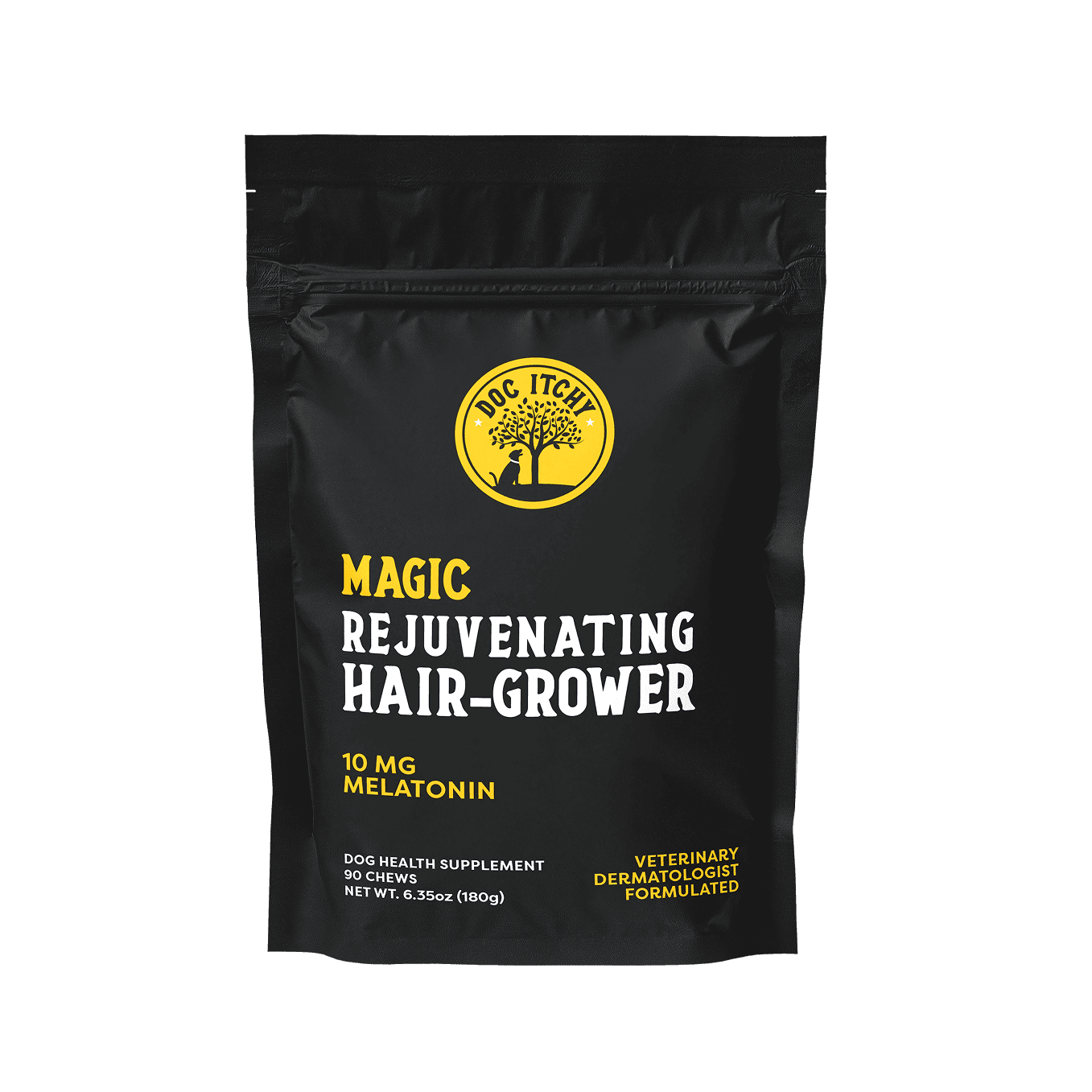
The HIMS concept becomes particularly interesting because veterinary literature has discussed the use of melatonin as part of the management of selected dogs with suspected atypical hyperadrenocorticism. Melatonin has been reported to influence adrenal steroid metabolism and has been described as having anti-gonadotropic effects that may affect sex-hormone pathways, including estradiol metabolism.
Earlier veterinary studies have also documented measurable changes in certain circulating sex hormones following melatonin administration in dogs, supporting the hypothesis that melatonin may influence endocrine regulation beyond its well-known role in controlling circadian rhythms.
A Practical Clinical Framework
From a clinical standpoint, the proposed HIMS model offers veterinarians a way to think about older dogs that appear metabolically fragile and hormonally dysregulated despite inconclusive endocrine testing. These dogs often share features such as chronic inflammation, recurrent infections, declining skin and coat health, reduced muscle mass, and generalized signs of premature aging.
Rather than focusing exclusively on cortisol excess, the HIMS concept suggests that broader endocrine dysfunction involving multiple hormonal pathways may contribute to the clinical picture in some senior dogs.
More Research Is Needed
Although the concept is biologically plausible and aligns with clinical observations reported by some veterinarians, the current evidence is not sufficient to establish geriatric HIMS as a validated disease entity. Prospective clinical studies incorporating standardized endocrine testing, adrenal steroid profiling, inflammatory biomarkers, and long-term follow-up will be necessary to determine whether HIMS represents a distinct syndrome or a subset of atypical hyperadrenocorticism.
The Takeaway
At present, geriatric HIMS should be regarded as a thought-provoking clinical model rather than a confirmed diagnosis. It provides a framework for recognizing older dogs with hormone-related clinical decline that extends beyond classic Cushing's disease and highlights an area deserving further scientific investigation. As research continues, a better understanding of endocrine imbalance in aging dogs may lead to more individualized diagnostic approaches and treatment strategies for this challenging group of patients.