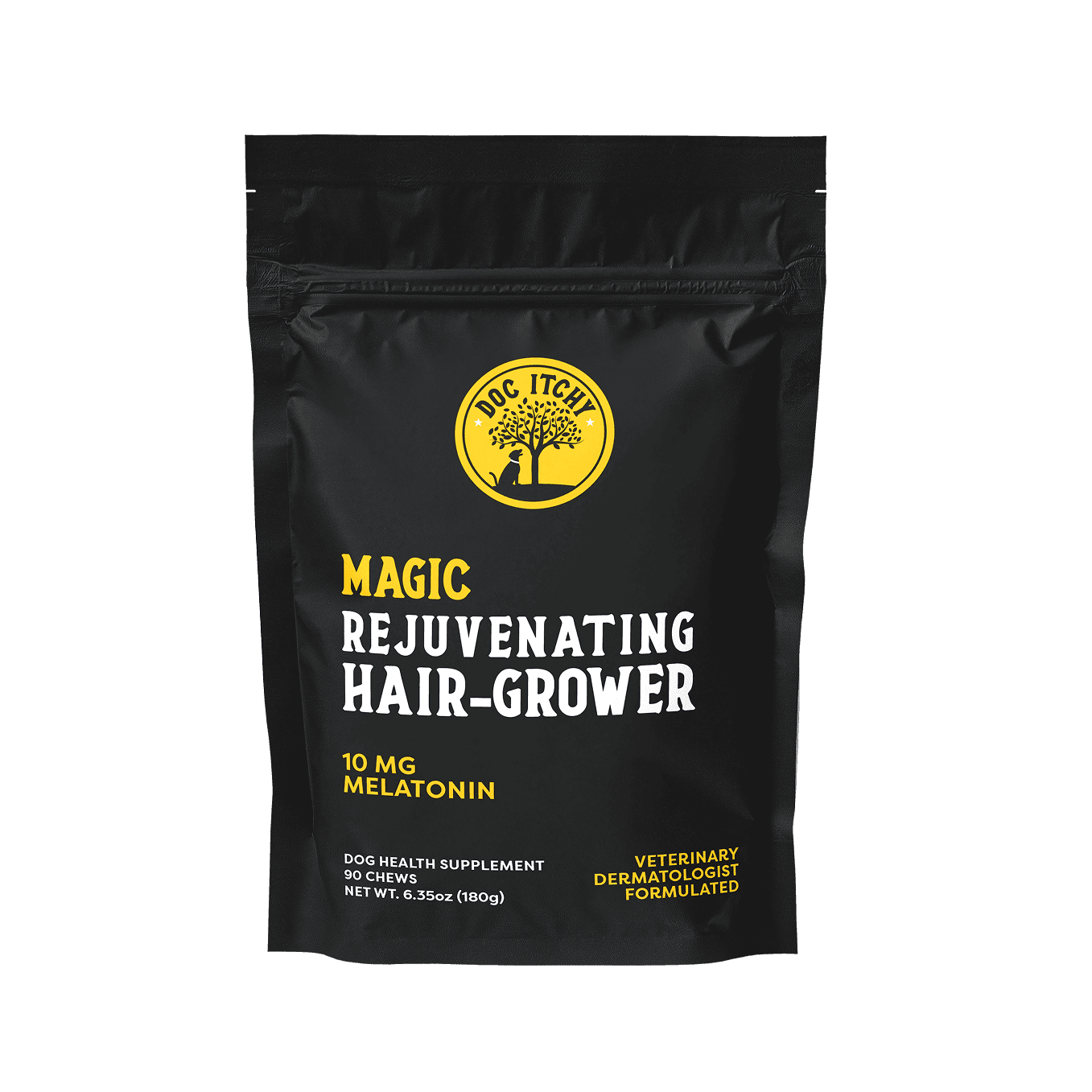
Melatonin, often celebrated as the body's natural sleep hormone, has emerged as a versatile tool in both human and veterinary medicine. Produced by the pineal gland in response to darkness, melatonin helps regulate circadian rhythms—but its effects extend well beyond supporting normal sleep cycles.
In humans, research suggests melatonin may help reduce anxiety, particularly anticipatory stress before surgery or other stressful events. Studies have also shown benefits for people with insomnia by improving sleep quality and helping restore healthy sleep–wake rhythms. In older adults, melatonin has also been investigated as a supportive therapy for mild cognitive impairment and dementia, where maintaining normal circadian rhythms may contribute to improved nighttime rest and overall quality of life.
Interestingly, many of these same physiological pathways exist in dogs.
In veterinary medicine, melatonin is commonly used to help manage certain forms of anxiety, including separation-related stress and noise sensitivities such as thunderstorms or fireworks. Unlike many prescription sedatives, melatonin is generally used to promote relaxation rather than heavy sedation. It is also used in some senior dogs with cognitive dysfunction syndrome (canine cognitive decline) to help support more regular sleep–wake cycles and reduce nighttime restlessness.
Beyond its effects on sleep and behavior, melatonin also functions as an antioxidant. Researchers continue to study its potential role in reducing oxidative stress and supporting healthy immune function, making it an area of growing interest for healthy aging in both people and dogs.
The takeaway is that melatonin is more than simply a sleep supplement. It plays an important role in circadian regulation and may offer supportive benefits for stress management, cognitive health, and emotional well-being in appropriate situations. Whether it's helping an adult experiencing occasional anxiety or supporting an aging Labrador with nighttime confusion, melatonin works by encouraging the body's own natural rhythms.
As with any supplement, melatonin should be used under the guidance of a qualified healthcare professional or veterinarian, particularly when other medications or medical conditions are involved. When used appropriately, this naturally occurring hormone can be a valuable tool for supporting calm, restorative rest—one night at a time.