A powerful new study from Vanderbilt University confirms that nicotinamide (vitamin B3)—long recognized for its skin-protective benefits in humans—can dramatically reduce the risk of skin cancer when taken daily. And now veterinarians are taking notice: the same vitamin mechanisms that protect human skin cells also work in dogs, making nicotinamide one of the most exciting new tools in canine dermatology and allergy prevention.
Dogs, like people, are exposed to ultraviolet (UV) radiation, oxidative stress, and chronic inflammation that damage DNA in skin cells. Nicotinamide supports cellular repair enzymes that fix DNA after UV exposure and helps maintain healthy immune surveillance in the skin—reducing abnormal cell growth that can lead to tumors, chronic infections, and even autoimmune skin disease.
In the large Veterans Affairs study, humans taking 500 mg twice daily saw up to a 56% reduction in skin cancer risk after their first diagnosis. Translating this to veterinary use, researchers and clinicians are exploring similar benefits in dogs using weight-adjusted oral doses under veterinary supervision. Early veterinary studies and case reports suggest nicotinamide may help reduce:
Sun-related skin lesions and precancerous keratoses
Autoimmune skin inflammation, such as pemphigus and lupus
Allergic skin itching by stabilizing immune response and reducing histamine release
Seborrhea and yeast overgrowth by restoring the skin's natural barrier and oil balance
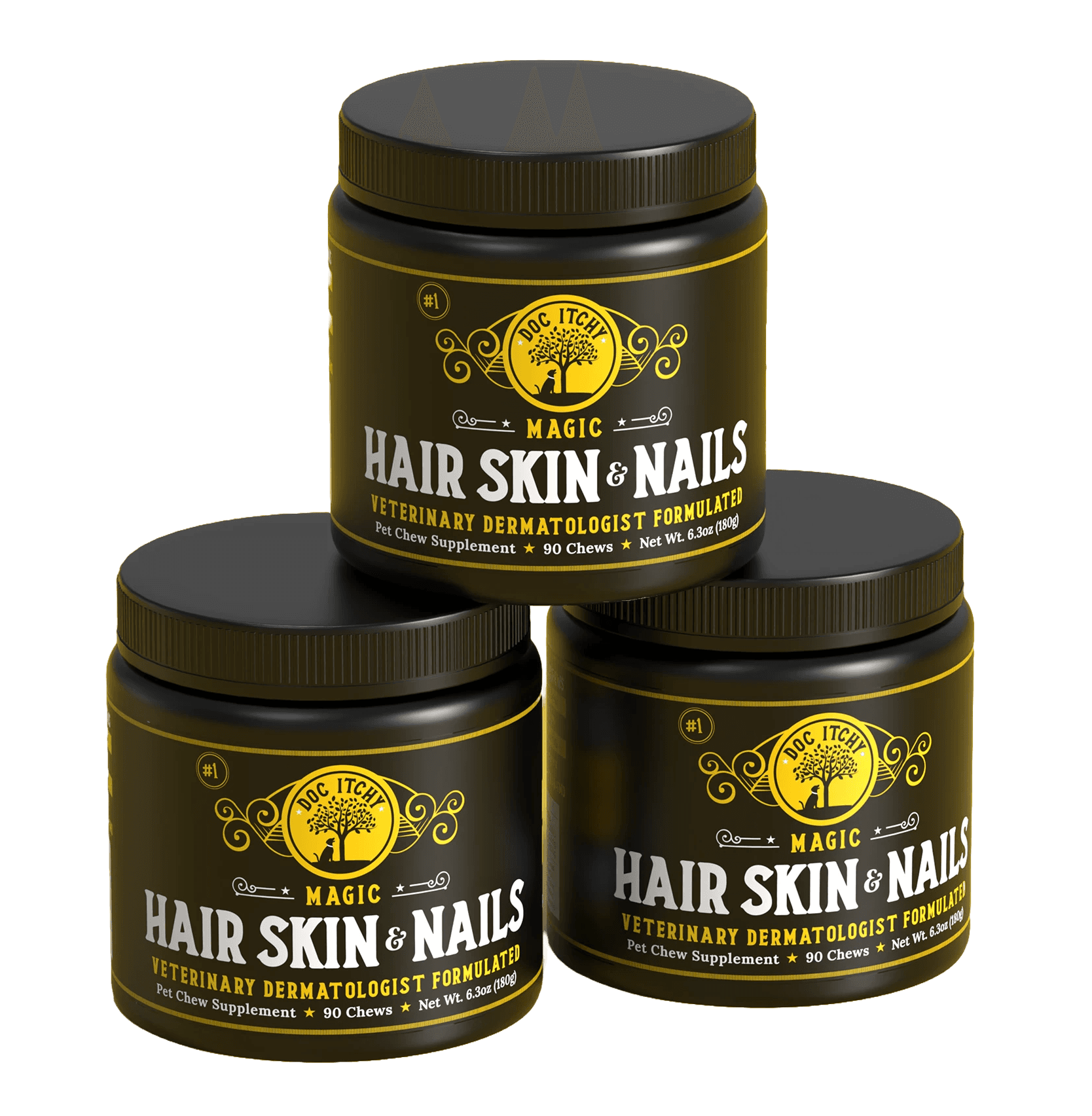
Veterinary dermatologists often combine nicotinamide with vitamin A, zinc, and omega-3 fatty acids to support overall skin health. This combination is the foundation of the Doc Itchy® Quad-Defense approach for dogs prone to chronic allergies, recurrent skin infections, or frequent sun exposure.
Because nicotinamide is safe, inexpensive, and generally well tolerated, it's quickly becoming a foundational supplement in long-term canine skin care. In humans, it's helping reduce the risk of certain skin cancers. In dogs, it's helping protect the same vital organ—the skin—from inflammation, infection, and cellular damage that can reduce quality of life.
A small vitamin, a big difference—for dogs and the people who love them.