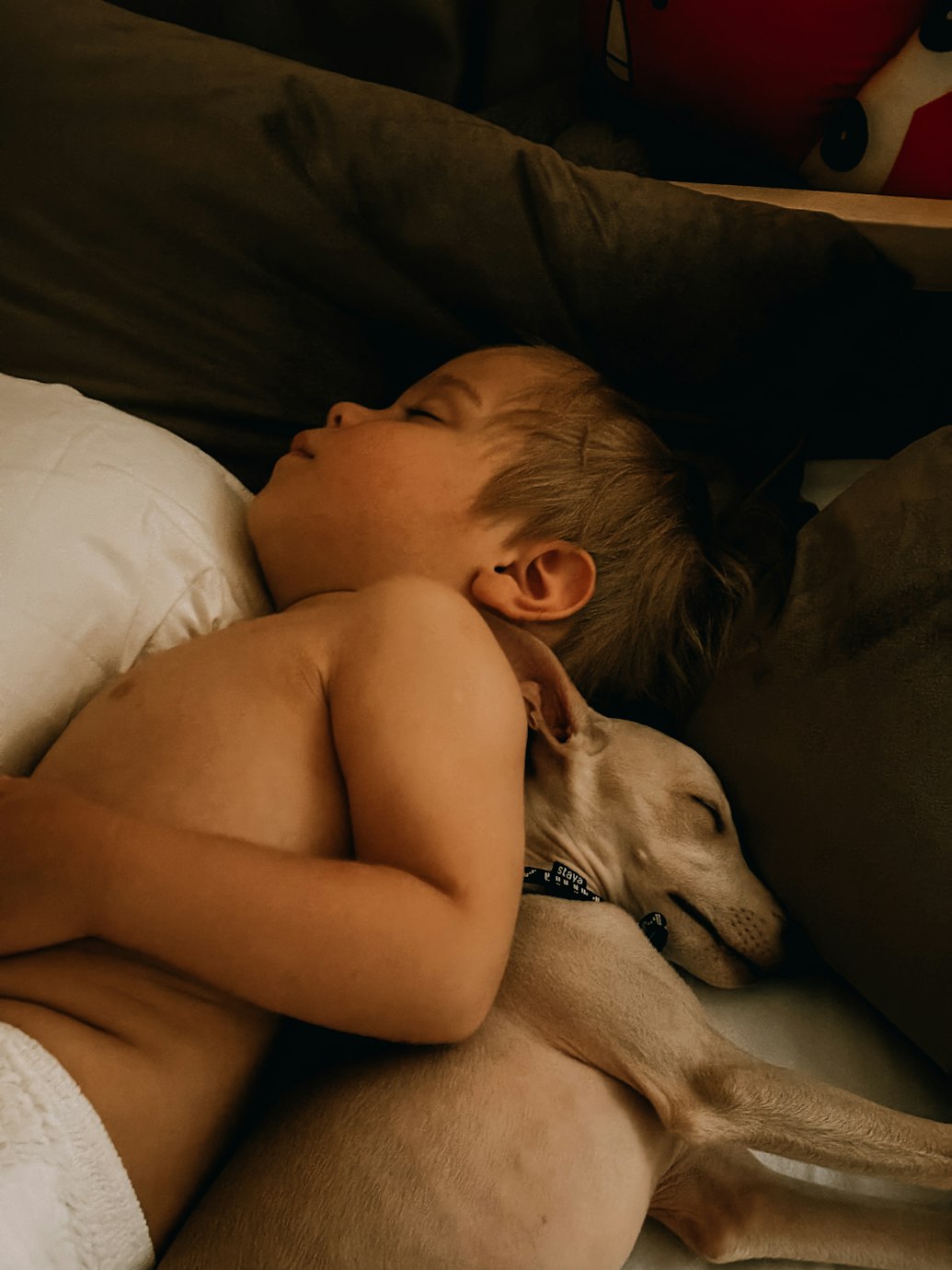
When we talk about the human–animal bond, we often think about walks, games of fetch, cuddles on the couch, and the unwavering loyalty dogs bring into our lives. But there's another, quieter ingredient that helps keep that bond strong: healthy sleep.
Like humans, dogs thrive on routine. A consistent sleep schedule supports not only their physical health but also their emotional well-being, behavior, and overall quality of life. While the occasional late night won't usually cause harm, frequent disruptions to your dog's normal routine can affect both of you more than you might realize.
Dogs Thrive on Consistency
Dogs have evolved alongside humans, and many aspects of their daily rhythms are influenced by the routines of the families they live with. Puppies often sleep 18–20 hours each day, while healthy adult dogs typically sleep around 12–14 hours over a 24-hour period. These hours aren't simply rest—they're important for physical recovery, learning, memory, immune function, and emotional regulation.
Repeated disruptions to normal sleep patterns may contribute to irritability, increased stress, reduced focus during training, and changes in behavior. Just as people often feel the effects of jet lag or poor sleep, dogs can also benefit from predictable daily rhythms.
How Your Dog's Sleep Affects Yours
Dogs and their owners often synchronize their daily routines. When your dog's schedule becomes irregular, your own sleep may be affected as well. A dog that wakes frequently during the night, wants to play at unusual hours, or becomes restless because their routine has changed can interrupt your own sleep quality.
Over time, poor sleep can contribute to fatigue, reduced concentration, elevated stress, and decreased patience. Maintaining healthy sleep habits benefits both members of the human–dog partnership.
Simple Ways to Support Healthy Sleep
Keep a consistent schedule. Try to maintain regular bedtimes, wake-up times, meals, and walks whenever possible.
Create a calming evening routine. Gentle play, quiet interaction, and winding down before bedtime help signal that it's time to rest.
Provide a comfortable sleeping area. Give your dog a quiet, safe, and familiar place where they can relax without unnecessary disturbance.
Limit late-night stimulation. Exciting games or frequent interruptions close to bedtime may make it more difficult for some dogs to settle.
Take care of your own sleep. Dogs often adapt to the routines of their families. Healthy habits for you frequently become healthy habits for them as well.
A Shared Daily Rhythm
One of the remarkable aspects of living with a dog is how naturally your lives begin to align. You wake together, walk together, rest together, and build daily rituals that strengthen your relationship. Supporting your dog's need for consistent, restorative sleep also supports your own well-being and helps preserve the calm, trusting connection you share.
In the end, the late-night adventure can always wait. The everyday adventure—the one built on companionship, routine, and shared moments—is strengthened by something wonderfully simple: a good night's sleep.