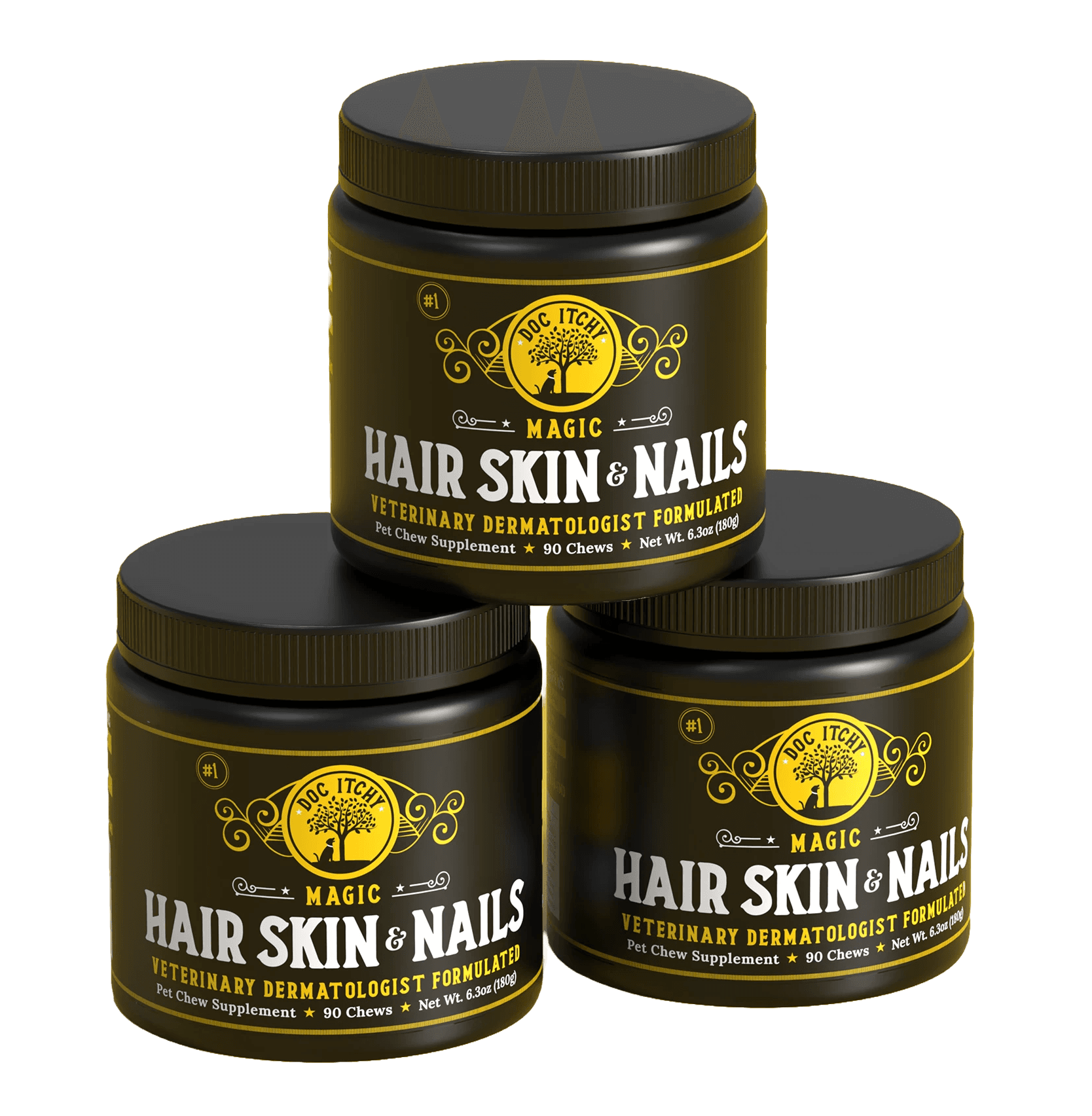
Niacinamide, also known as nicotinamide, is gaining increased attention in veterinary nutrition and dermatology for its role in supporting healthy skin and normal immune function. Long recognized as a valuable ingredient in human skincare, this form of vitamin B3 is also used by veterinary professionals as part of the management of certain skin conditions in dogs.
As research into canine skin health continues to grow, niacinamide is attracting interest not only for dogs with dermatologic disease but also for its role in maintaining healthy skin and coat as part of a comprehensive wellness plan.
Supporting a Healthy Skin Barrier
One of niacinamide's most well-studied functions is its ability to support the skin's natural barrier. In both human and veterinary dermatology, niacinamide has been shown to help promote ceramide production—important lipids that help the skin retain moisture and maintain its protective function.
A healthy skin barrier helps reduce moisture loss while supporting the skin's ability to resist environmental irritants. Maintaining good barrier function is an important part of overall skin health, particularly for dogs that experience dry or sensitive skin.
Supporting Normal Immune Function
Niacinamide also plays an important role in supporting healthy inflammatory responses and normal immune function. Veterinary dermatologists have used niacinamide, often in combination with other therapies, as part of treatment plans for certain chronic inflammatory skin conditions. While it is not a replacement for veterinary care, it may serve as one component of a broader skin health strategy when recommended by a veterinarian.
Healthy Skin, Healthy Coat
Healthy skin provides the foundation for a healthy coat. By supporting normal skin function, niacinamide contributes to overall coat quality and comfort. Many veterinarians recommend pairing good nutrition with regular grooming, essential fatty acids, and other skin-supporting nutrients to help maintain optimal skin and coat health.
Depending on an individual dog's needs, nutrients such as omega-3 fatty acids, zinc, vitamin A, and probiotics may also be included as part of a comprehensive wellness plan under veterinary guidance.
Supporting Cellular Health
As a form of vitamin B3, niacinamide is essential for the production of nicotinamide adenine dinucleotide (NAD+) and nicotinamide adenine dinucleotide phosphate (NADP+). These coenzymes participate in hundreds of cellular reactions involved in energy production, DNA repair, antioxidant defense, and normal metabolism throughout the body.
Ongoing research continues to explore how adequate vitamin B3 supports healthy aging, cellular resilience, and metabolic function in both people and animals.
The Takeaway
Niacinamide is much more than a skincare ingredient. As an essential form of vitamin B3, it supports healthy skin, normal immune function, and the cellular processes that keep the body functioning properly. While every dog has unique nutritional needs, niacinamide has earned an important place in modern veterinary dermatology and continues to be an area of active scientific interest.
If your dog experiences persistent itching, skin irritation, or coat changes, consult your veterinarian to determine whether a nutrition and skin-care plan that includes niacinamide may be appropriate.