
Related Products
Related Products
Allen Rippy
Apr 30, 2026
6 min read

A growing body of clinical observation suggests that at least 50% of small breed dogs under 30 pounds develop a little-recognized condition as they age: geriatric HIMS, or hormone imbalance with melatonin sensitivity. These dogs often present with symptoms that mimic classic endocrine disease—pot-bellied appearance, increased thirst and urination (PUPD), thinning hair coat, recurrent skin and ear infections, and a general decline in vitality. Yet, standard laboratory testing frequently fails to confirm traditional diagnoses such as Cushing’s disease.
This disconnect has led to increasing recognition of geriatric HIMS as a distinct clinical syndrome. At its core is a dysregulation of hormone signaling and circadian rhythm—systems that are tightly intertwined with melatonin production. As dogs age, especially small breeds, melatonin output and receptor sensitivity can become imbalanced, leading to downstream effects on immune function, skin integrity, and metabolic stability.
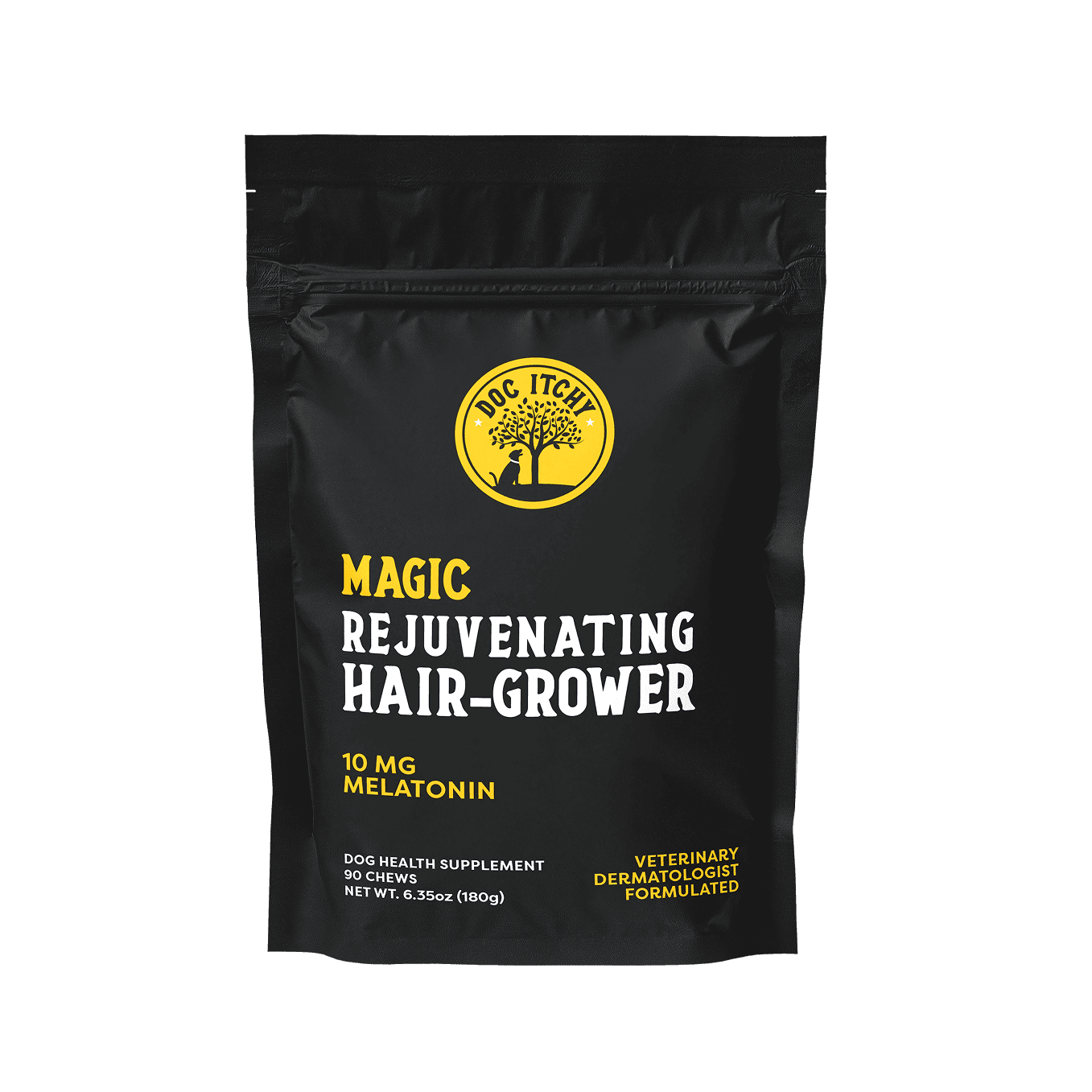
Retrospective clinical data and field experience suggest that targeted melatonin supplementation can be remarkably effective. In some cohorts, up to 80% of affected dogs show measurable improvement within 30 to 45 days. These improvements include reduced infection frequency, better coat quality, decreased inflammatory skin disease, normalization of thirst and urination patterns, and an overall return of energy and engagement.
The mechanism is multifactorial. Melatonin acts not only as a sleep-regulating hormone but also as a potent antioxidant and immune modulator. It helps rebalance sex hormone signaling, supports adrenal regulation, and restores circadian rhythm—all critical components of systemic health. In both veterinary and human medicine, melatonin has been shown to reduce oxidative stress, improve immune surveillance, and enhance metabolic efficiency.
Importantly, melatonin therapy is generally well tolerated, with a wide margin of safety when used appropriately. This makes it an appealing first-line or adjunctive option in dogs showing signs of premature aging without clear diagnostic confirmation of endocrine disease.
Geriatric HIMS may be one of the most underdiagnosed conditions in small dogs today. Recognizing the pattern—and understanding the therapeutic potential of melatonin—offers a powerful opportunity to not only manage symptoms, but to meaningfully improve quality of life, resilience, and longevity in aging canine patients.