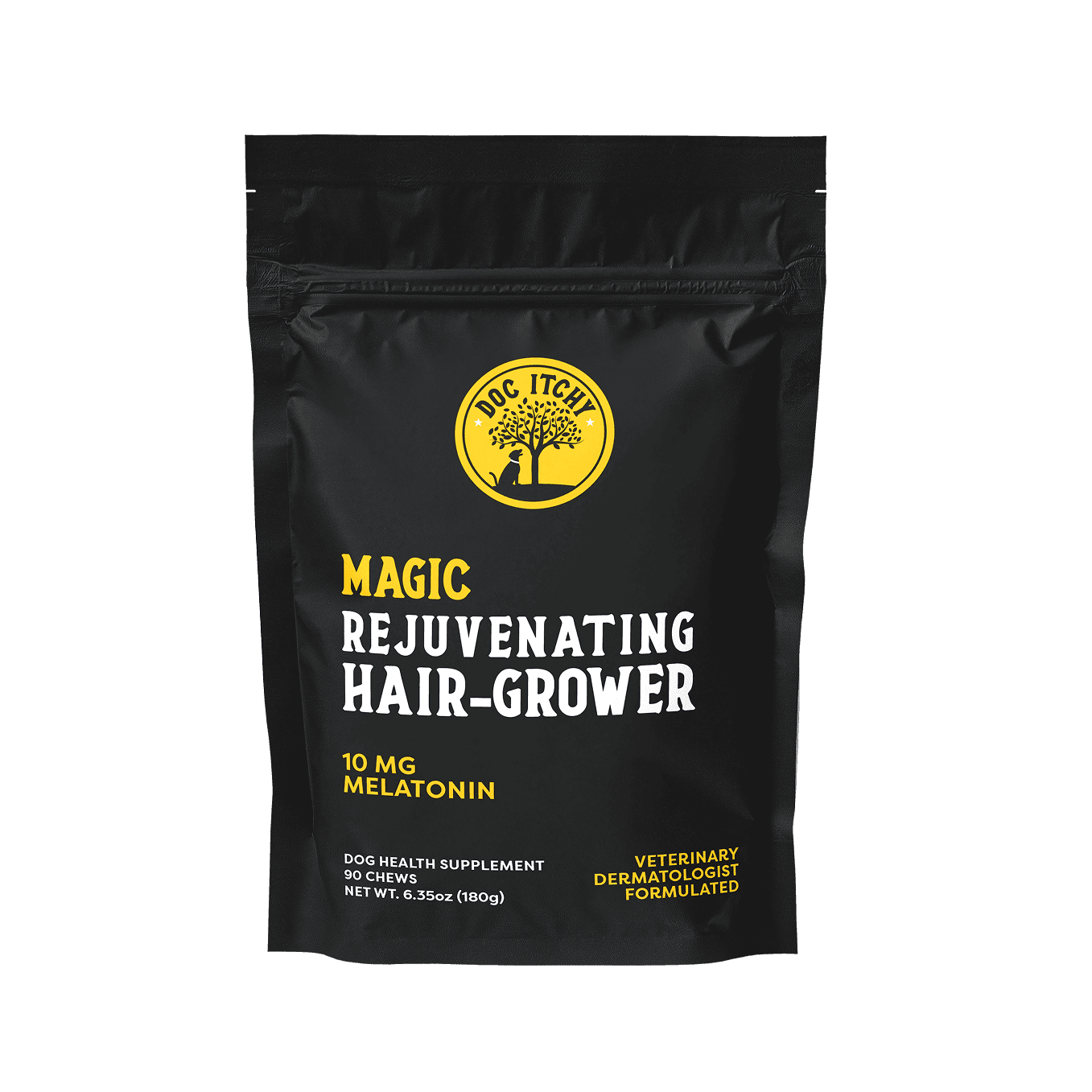
Melatonin is best known for regulating sleep, but emerging research suggests it may play a broader role in supporting metabolism, energy regulation, and overall well-being. These effects are of interest not only in human medicine but also in veterinary medicine, where melatonin has been studied for several clinical applications.
Melatonin is a hormone naturally produced by the pineal gland in response to darkness. Beyond helping regulate the sleep–wake cycle, research has explored its influence on glucose metabolism, insulin sensitivity, lipid metabolism, and oxidative stress. Reviews published in Endocrine Reviews have highlighted melatonin's involvement in maintaining healthy metabolic function, although these complex interactions continue to be actively studied.
Healthy sleep and well-regulated circadian rhythms are closely linked with daytime energy, physical activity, and overall metabolic health. When sleep quality improves, people and animals often feel more rested, making it easier to engage in regular daily activity.
In veterinary medicine, melatonin has been investigated for its role in supporting dogs with anxiety, sleep disturbances, and certain endocrine and dermatologic conditions. Studies have found that melatonin may help some dogs experiencing noise sensitivities, separation-related stress, or disrupted sleep, allowing them to feel calmer and more comfortable during daily activities.
Research has also explored melatonin's role in supporting healthy circadian rhythms in senior dogs and those with age-related cognitive changes. Improved sleep patterns may contribute to better daytime alertness and participation in everyday routines such as walking, playing, and interacting with family members.
Taken together, these findings suggest a positive cycle: healthier sleep can support healthier daily rhythms, which may encourage greater activity, more time outdoors, and improved overall well-being. While melatonin is not a stimulant or energy supplement, helping restore normal circadian function may indirectly contribute to a more active lifestyle in some dogs.
As with any supplement, melatonin should be used only under the guidance of a veterinarian, particularly for dogs with underlying medical conditions or those taking other medications. When used appropriately, melatonin can be a valuable part of a comprehensive approach to supporting healthy aging, restful sleep, and overall quality of life.