Geriatric HIMS (Hormone Imbalance with Melatonin Sensitivity) is a proposed clinical term used to describe a subset of older—most commonly small-breed—dogs that appear prematurely aged and exhibit signs resembling Cushing's disease but do not consistently meet the diagnostic criteria for classic hyperadrenocorticism on routine endocrine testing.
These dogs may develop a thinning hair coat, recurrent bacterial skin infections (pyoderma), skinfold dermatitis, urinary tract infections, muscle loss, a pot-bellied appearance, reduced energy, and increased susceptibility to infections despite relatively unremarkable baseline laboratory findings. Veterinary literature has long discussed the concept of atypical Cushing's syndrome, particularly in dogs with abnormal adrenal sex-hormone patterns rather than marked cortisol excess.
The Role of Melatonin
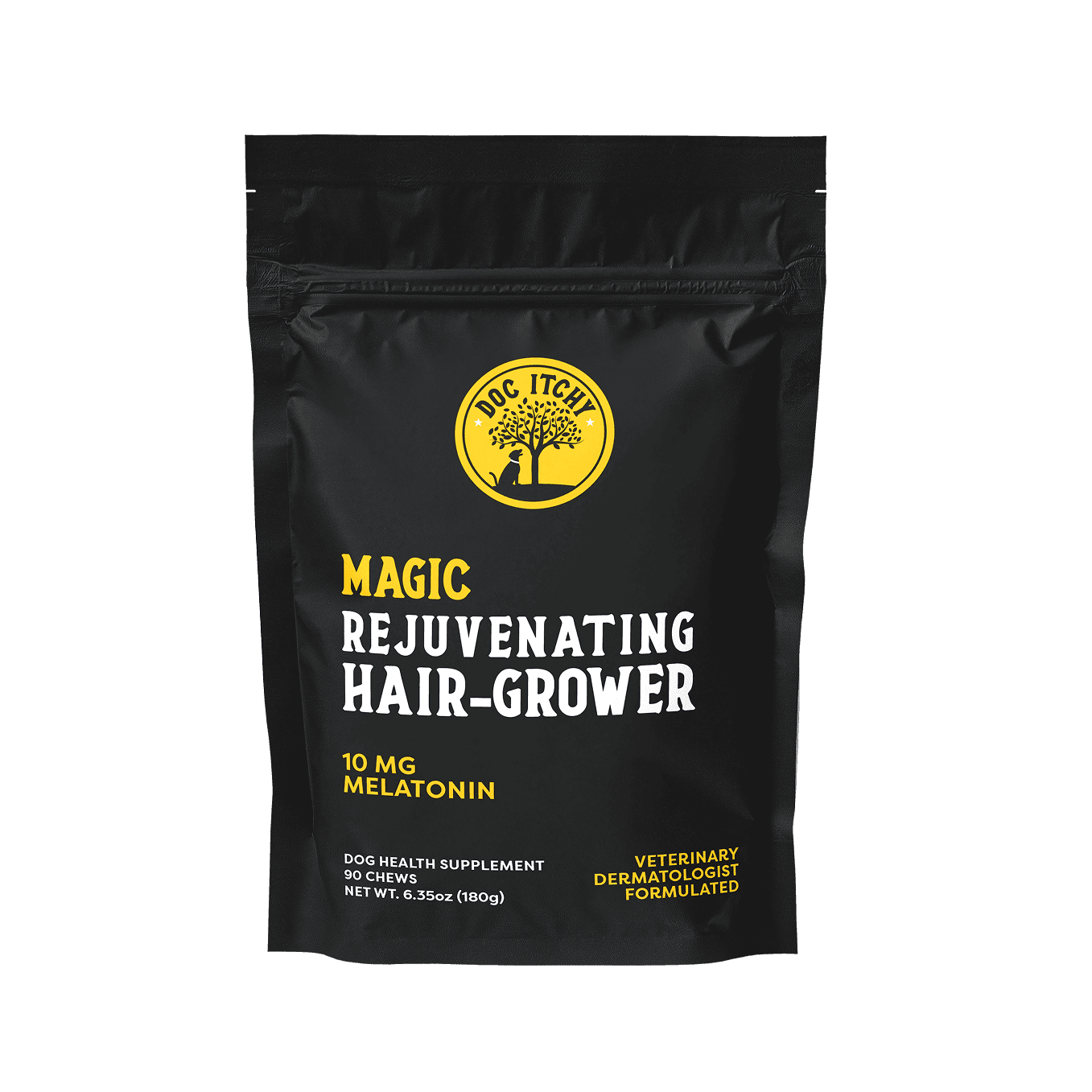
Melatonin is not considered a cure for endocrine disease, but it has attracted interest as a therapeutic option for selected dogs with hormone-related skin disorders and suspected atypical Cushing's syndrome. Research has shown that oral melatonin can influence certain adrenal sex hormones in healthy adult dogs, including reductions in estradiol and 17-hydroxyprogesterone, suggesting that it may play a role in hormonal regulation.
Interestingly, studies involving dogs with hair-cycle disorders have also demonstrated that clinical improvement does not always correspond directly with measurable hormone changes. In other words, some dogs may experience improved coat quality and clinical signs even when follow-up endocrine test results remain difficult to interpret.
Clinical Experience
Many veterinarians report that selected geriatric dogs with signs suggestive of atypical hormone imbalance may benefit from melatonin therapy as part of an individualized treatment plan. Improvements reported in clinical practice may include healthier coat growth, calmer behavior, improved sleep patterns, and fewer recurrent skin problems. Responses vary among individuals, and not every dog experiences the same degree of improvement.
Melatonin has been used in veterinary medicine for many years and is generally considered to have a wide margin of safety when administered appropriately. Reported adverse effects are typically mild and may include temporary drowsiness, lethargy, gastrointestinal upset, or incoordination.
Important Safety Considerations
Not all melatonin products are appropriate for dogs. Some human formulations contain ingredients such as xylitol, which is highly toxic to dogs, or 5-hydroxytryptophan (5-HTP), which can also be dangerous. For this reason, melatonin should only be given under veterinary guidance using products known to be safe for canine use.
A Practical Clinical Concept
Geriatric HIMS should be viewed as a practical clinical concept rather than a formally recognized veterinary diagnosis. It describes older dogs with hormone-related clinical signs that may not fit neatly into existing endocrine categories but may still benefit from thoughtful evaluation and appropriate treatment.
Rather than assuming these dogs are simply experiencing unavoidable aging, veterinarians may consider endocrine disorders, including atypical Cushing's syndrome, among several possible causes. Careful assessment and individualized management can often improve comfort, quality of life, and long-term health in senior dogs.