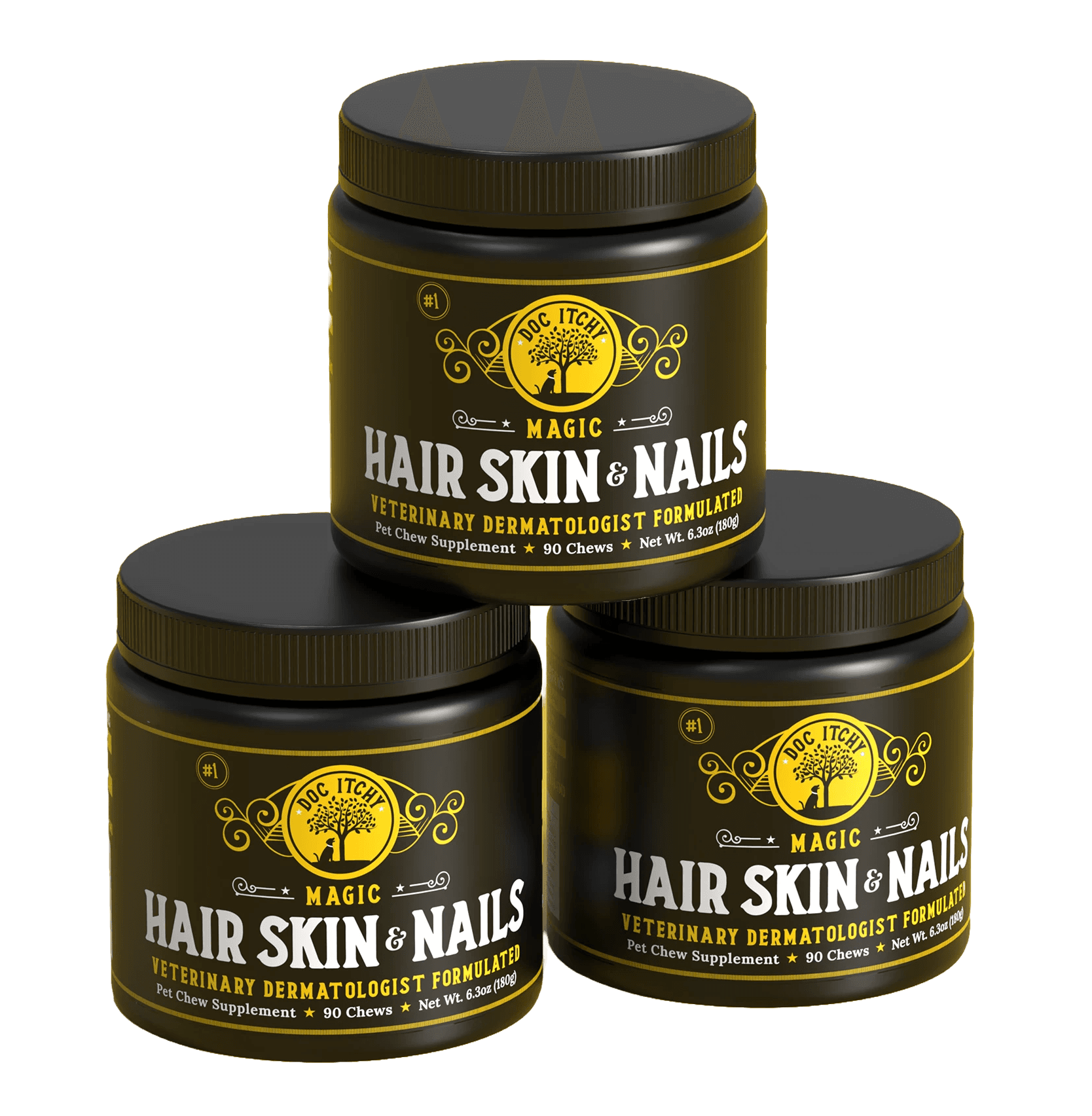
For decades, veterinarians have recognized vitamin A as an essential nutrient for maintaining healthy skin. Far more than simply supporting vision, vitamin A plays a central role in normal skin development, immune function, and the continuous renewal of the epidermis—the body's outer protective layer. In dogs, adequate vitamin A intake helps support healthy coat quality, normal skin barrier function, and the process of keratinization that keeps skin resilient and healthy.
Supporting Healthy Skin Renewal
The skin is constantly renewing itself. New skin cells are produced in the deeper layers of the epidermis and gradually move toward the surface, where older cells are naturally shed. Vitamin A helps regulate this normal cycle of cell growth, maturation, and differentiation, ensuring that healthy skin cells develop and function as intended.
When dogs do not receive adequate vitamin A, skin changes may occur, including dryness, scaling, poor coat quality, and abnormal keratinization. In some cases, specific dermatologic conditions associated with vitamin A deficiency or altered vitamin A metabolism may benefit from veterinary-supervised supplementation.
Supporting the Skin Barrier
Healthy skin serves as the body's first line of defense against environmental irritants, allergens, and microorganisms while helping retain moisture. Vitamin A contributes to the development and maintenance of this protective barrier by supporting normal epidermal structure and healthy epithelial tissues throughout the body.
A healthy skin barrier also creates an environment that supports normal skin function and overall comfort, helping maintain a soft, resilient coat.
Healthy Sebaceous Gland Function
Vitamin A also contributes to the normal function of sebaceous glands, which produce natural oils that help condition the skin and coat. Proper oil production keeps the coat supple and shiny while helping protect the skin from excessive dryness.
Maintaining healthy sebaceous gland activity is particularly important for dogs prone to dry skin, dandruff, or disorders involving abnormal keratinization, although treatment for these conditions should always be guided by a veterinarian.
Working Together with Other Nutrients
Skin health depends on more than a single nutrient. Vitamin A works alongside other essential nutrients—including niacinamide (vitamin B3), zinc, and essential fatty acids—to support normal skin structure, healthy immune function, and overall coat quality. Combined with appropriate nutrition, regular grooming, and veterinary care, these nutrients help maintain healthy skin from the inside out.
What Veterinary Medicine Shows
Veterinary dermatologists have long used vitamin A as part of the management of selected skin disorders, particularly those involving abnormal keratinization in predisposed breeds. When prescribed appropriately, vitamin A supplementation may help improve scaling, coat quality, and overall skin health in dogs with specific medical conditions. Because excessive vitamin A can be harmful, supplementation should always follow veterinary guidance.
The Takeaway
Vitamin A is one of the foundational nutrients for canine skin health. By supporting normal skin cell renewal, healthy barrier function, and proper sebaceous gland activity, it helps maintain soft skin, a healthy coat, and overall dermatologic wellness. As part of a balanced diet and appropriate veterinary care, vitamin A plays an essential role in keeping your dog's skin healthy and its coat looking and feeling its best.