A retrospective review of 450 small-breed dogs between 8 and 17 years of age suggests that geriatric HIMS (Hormone Imbalance with Melatonin Sensitivity) may represent a proposed clinical syndrome in older dogs that has often been grouped under the broad description of atypical Cushing's syndrome. These dogs, all weighing less than 30 pounds and representing both sexes, shared a consistent pattern of clinical signs, including reduced activity, a pot-bellied appearance, increased thirst and urination (polyuria and polydipsia), thinning skin, recurrent secondary skin infections, and worsening allergic skin disease.
Collectively, these findings suggest more than typical age-related decline and raise the possibility of an underlying combination of hormonal imbalance, chronic inflammation, and immune dysregulation.
Observed Response to Melatonin
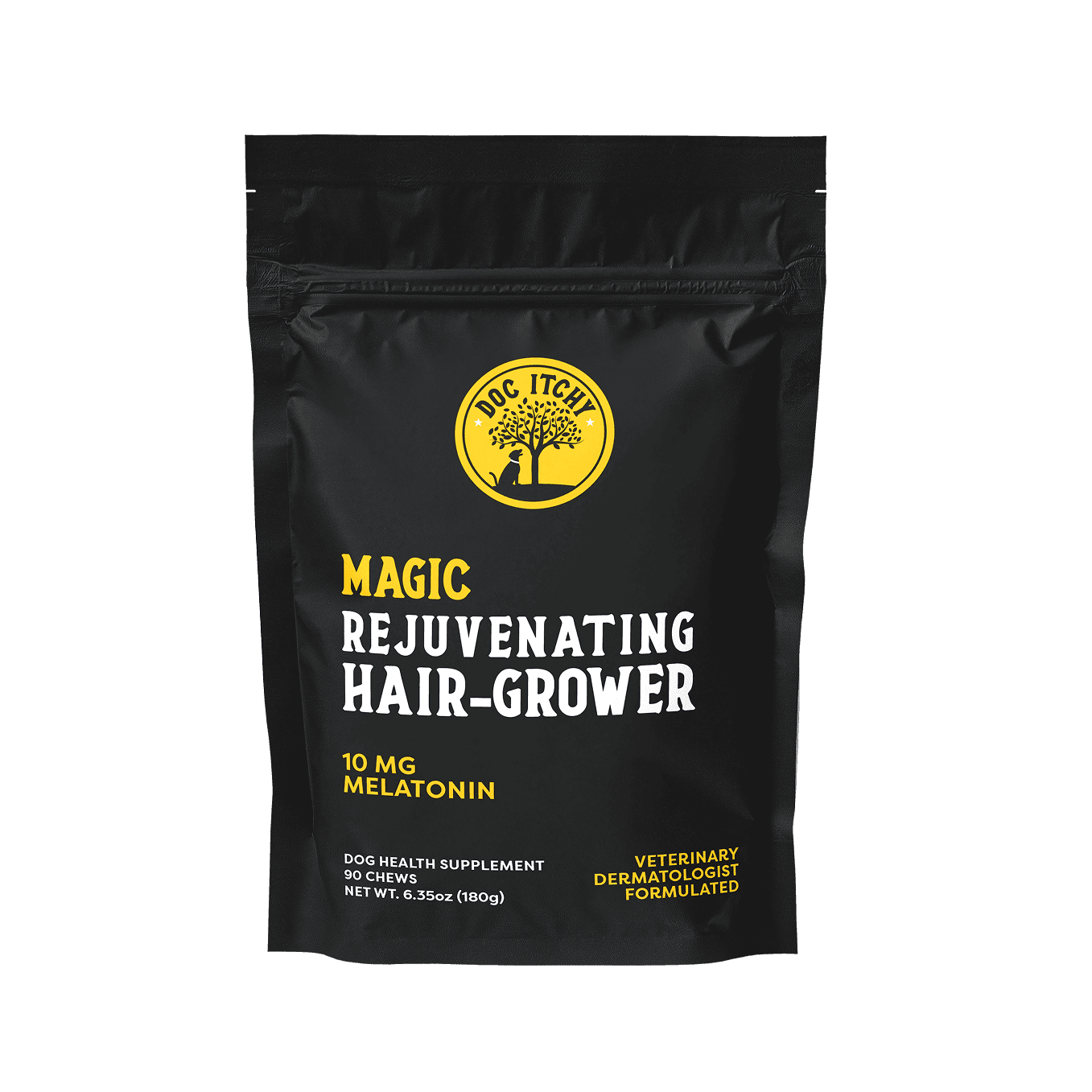
According to the retrospective review, all dogs were treated with evening melatonin supplementation for approximately 30 to 45 days. Approximately 80% were reported to have experienced meaningful clinical improvement. Owners and clinicians observed improvements in overall activity, reductions in recurrent skin infections, fewer allergy-related flare-ups, and better overall quality of life.
While these observations are encouraging, retrospective studies cannot establish cause and effect. Controlled prospective clinical trials are needed to determine whether melatonin directly produced these improvements and to identify which dogs are most likely to benefit.
Questions That Remain
An important limitation of the review is that only a small proportion of dogs underwent comprehensive endocrine testing for Cushing's syndrome. As a result, it remains unclear how this proposed syndrome relates to classic hyperadrenocorticism, atypical Cushing's syndrome, or other endocrine disorders that can produce similar clinical signs.
Future research incorporating standardized hormone testing, inflammatory biomarkers, advanced diagnostics, and long-term follow-up will be necessary to better characterize this population and determine whether geriatric HIMS represents a distinct clinical entity.
A Proposed Clinical Framework
If future studies confirm these findings, geriatric HIMS may provide veterinarians with a practical framework for recognizing a subset of older, small-breed dogs that experience hormone-related clinical decline yet do not fit neatly into existing endocrine diagnoses. Rather than attributing these changes solely to aging, veterinarians may have another clinical model to guide evaluation and individualized treatment.
At present, however, geriatric HIMS should be regarded as a proposed clinical syndrome requiring further scientific validation before it can be considered an established veterinary diagnosis.
The Takeaway
This retrospective review highlights an intriguing pattern observed in older small-breed dogs and raises important questions about hormone imbalance, aging, and treatment response. While the reported outcomes are promising, additional prospective, controlled research is needed before firm conclusions can be drawn. Until then, dogs showing persistent signs such as excessive panting, increased thirst, recurrent skin disease, hair loss, or unexplained geriatric decline should receive a thorough veterinary evaluation to determine the most appropriate diagnostic and treatment plan.