Related Products
Related Products
Allen Rippy
Nov 9, 2025
6 min read
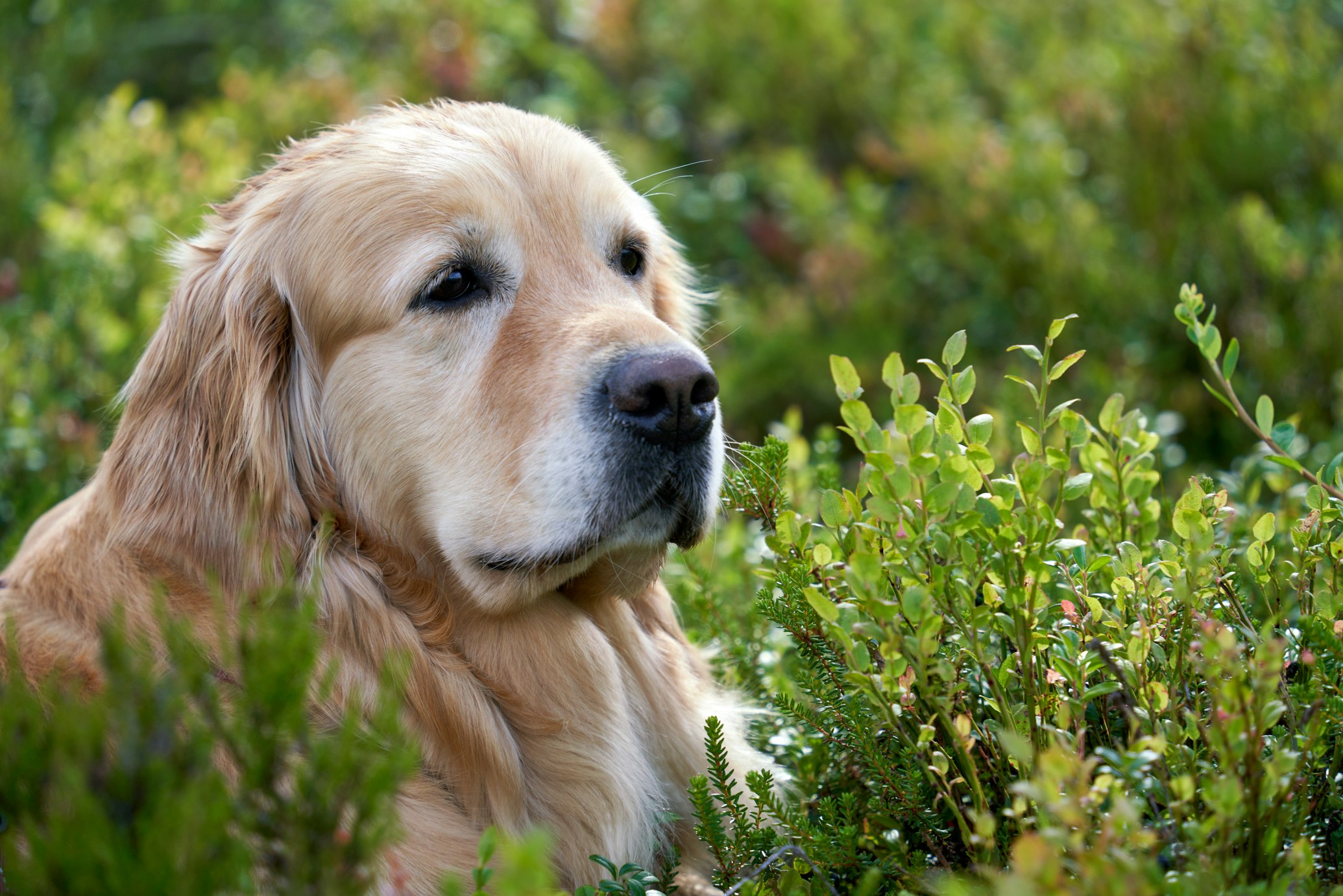
There’s something heartbreakingly noble about an old Golden Retriever. Their silvered muzzles and softened eyes tell a lifetime of loyalty—but behind that wisdom, you can see the slow fade of age. My thirteen-year-old Golden had reached that stage: sunken eyes, atrophied temple muscles, thinning fur, and the kind of slow, careful movements that made every step seem like an effort. He was still my shadow, still the heart of the home—but his spark was dimming.
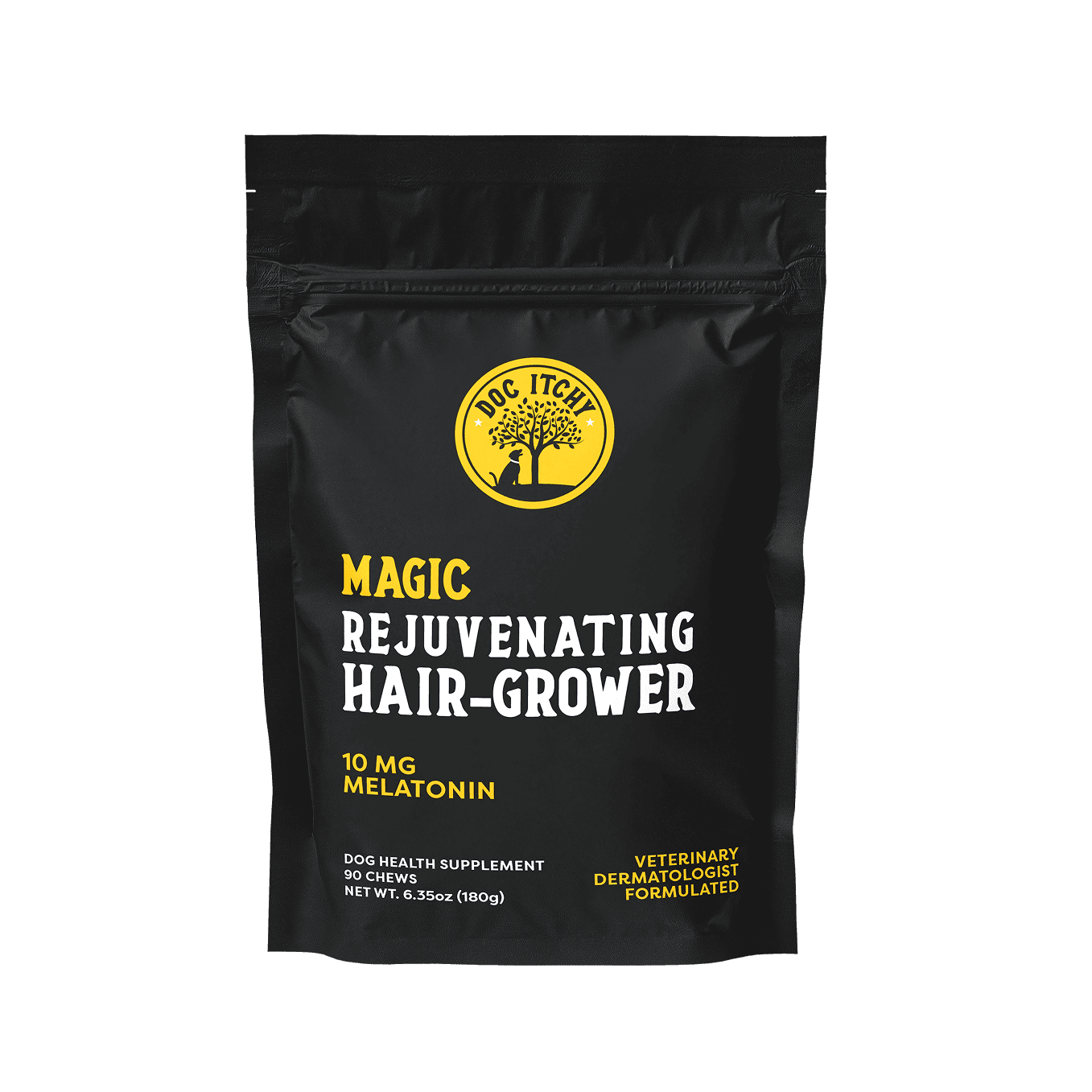
Then, one evening, after reading veterinary dermatology research on melatonin’s regenerative effects in aging dogs, I decided to try a small daily dose before bedtime. Melatonin is often known for helping sleep, but in dogs it also stimulates hair follicles, balances hormones, and acts as a natural antioxidant. What I didn’t expect was how deeply it would seem to restore not just his fur—but his spirit.
Within two weeks, I noticed the change. The dull, brittle hair began to shed away in clumps, replaced by soft, rich, golden fur that shone again in the sunlight. His eyes seemed less hollow, his movements more confident. The tired, pitiful old man who shuffled to bed every night was suddenly trotting again—nose to the wind, tail high, radiating that same playful energy he had at five years old.
Science can explain the biology: follicular activation, cortisol balance, improved rest, reduced oxidative stress. But standing there watching him bound toward me in the yard, I didn’t see chemistry—I saw my dog’s youth reborn.
Melatonin didn’t just grow back his coat. It gave me back my companion—the teenage Golden retriever who still thinks every morning is an adventure waiting to happen.
— Allen Rippy