
Related Products
Related Products
Allen Rippy
Nov 6, 2025
6 min read

Recent human studies have sparked debate over whether melatonin—a hormone widely used for sleep regulation—could contribute to heart problems. This has understandably worried many pet owners whose dogs take melatonin for hair regrowth, anxiety, or aging support. But here’s the good news: there’s no evidence that melatonin causes heart disease in dogs—and in fact, heart disease itself is relatively uncommon in most canine breeds.
Let’s separate correlation from causation. In humans, both heart disease and low melatonin levels are prevalent in older populations. As people age, melatonin production naturally declines leading people to take supplements- and heart conditions become more common. This overlap can create a misleading appearance of connection. However, medical research shows that correlation does not equal causation. Just because two things occur together doesn’t mean one causes the other.
Dogs metabolize melatonin differently from humans. Veterinary studies, including those cited in Muller & Kirk’s Small Animal Dermatology and related endocrinology texts, consistently show melatonin’s safety in canine use—even in high doses prescribed for chronic conditions like alopecia, anxiety, or sleep disorders. No peer-reviewed evidence links melatonin supplementation to cardiac disease or dysfunction in dogs.
In fact, dogs are less prone to the atherosclerosis and cholesterol-driven heart disease so common in humans. Most canine heart issues stem from congenital defects or breed-specific conditions like mitral valve disease or dilated cardiomyopathy—not hormone imbalance or supplement use.
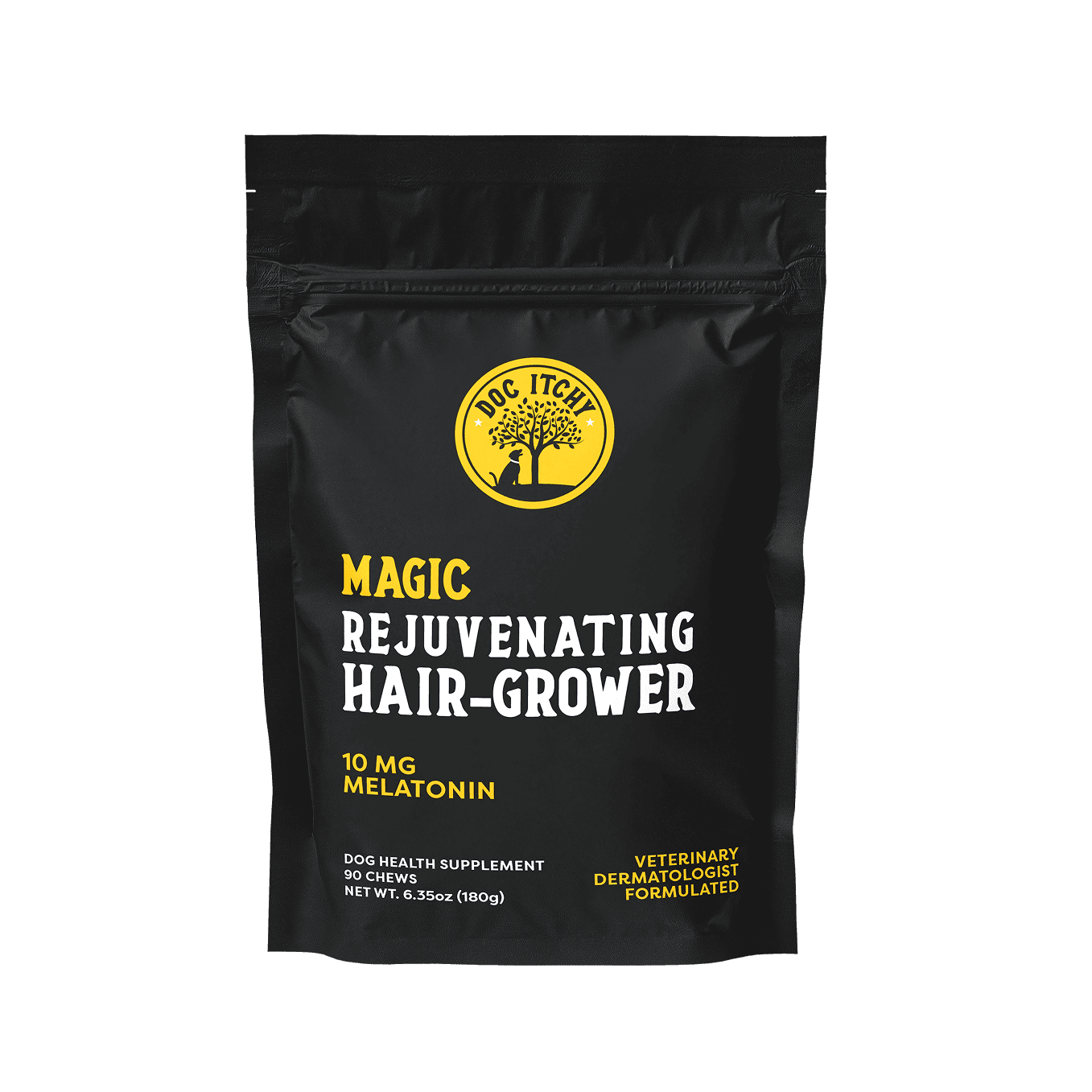
When used appropriately under veterinary guidance, melatonin supports hormone balance, reduces stress, and may even improve oxidative resilience in aging dogs. It’s a naturally occurring antioxidant and anti-inflammatory compound, not a cardiac risk factor.
So, if your veterinarian recommends melatonin for your dog—whether for hair regrowth, anxiety, or rejuvenation—you can rest easy. The current science supports its safety, and the myths linking it to heart disease are simply that: myths born of human data misinterpretation, not veterinary fact.
— Authored by Allen Rippy