The holiday season is meant to be warm, joyful, and filled with connection. For many dogs, however, it can also be a time of uncertainty. Visitors come and go, familiar routines change, decorations appear overnight, and homes become busier than usual. Without understanding holidays or calendars, dogs simply experience a sudden change in their environment—and for some, that can be stressful.
Veterinary behavior research has consistently shown that dogs thrive on predictability. Changes in routine, unfamiliar guests, loud celebrations, and altered household activity can lead to behaviors such as pacing, barking, hiding, restlessness, or digestive upset in dogs that are sensitive to stress.
Why Routine Matters
Dogs rely heavily on consistent schedules and familiar surroundings. Regular meal times, walks, play sessions, and sleep routines help them feel secure. During busy holiday periods, these routines are often disrupted, making it more difficult for some dogs to relax.
While many dogs enjoy meeting new people and participating in family activities, others may benefit from having a quiet retreat where they can rest away from the excitement whenever they choose.
Supporting Calm with Nutrition
Nutritional support may be helpful for some dogs during periods of increased stress. Hemp seed oil is a source of omega-3 and omega-6 fatty acids that contribute to healthy skin, brain function, and overall wellness. Although hemp seed oil does not contain meaningful amounts of THC and is not intoxicating, owners should choose products formulated specifically for dogs and discuss supplementation with their veterinarian.
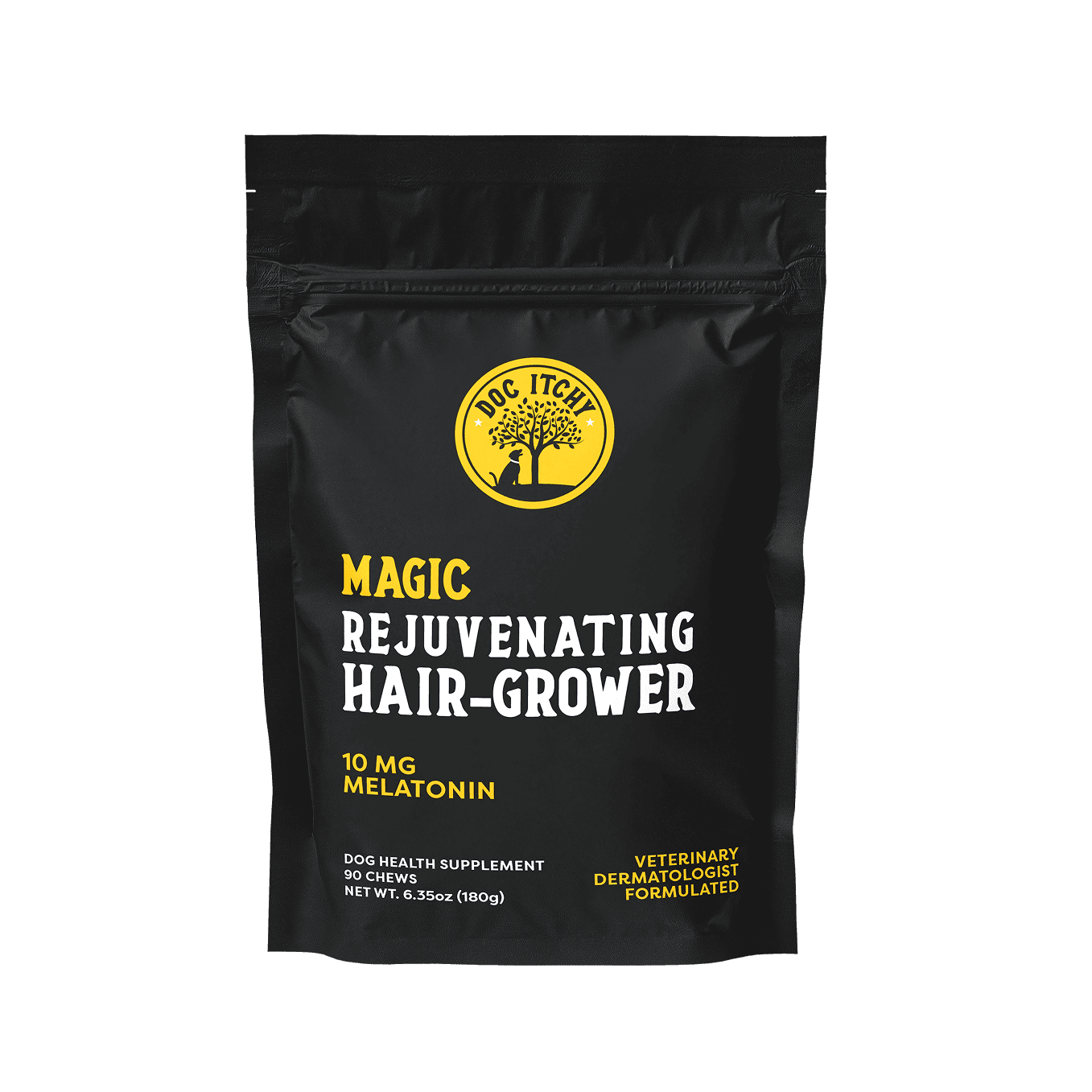
Melatonin is another supplement commonly used in veterinary medicine to support dogs experiencing situational anxiety. As a naturally occurring hormone involved in regulating the sleep–wake cycle, melatonin may help some dogs relax during stressful events such as travel, fireworks, changes in routine, or busy holiday gatherings. Appropriate dosing should always be determined by a veterinarian.
Creating a Comfortable Holiday Environment
In addition to nutritional support, simple management strategies can make a meaningful difference. Maintaining regular feeding and walking schedules, providing enrichment toys, offering a quiet resting space, and allowing dogs to take breaks from visitors can all help reduce stress during holiday celebrations.
If your dog has a history of severe anxiety, consult your veterinarian before the holiday season begins to develop an individualized plan that may include behavior modification, environmental management, or additional medical support.
The Takeaway
Holidays bring excitement, but they also bring change. By preserving as much routine as possible, recognizing signs of stress, and working with your veterinarian to determine whether calming strategies or supplements are appropriate, you can help your dog navigate the season with greater confidence and comfort.
A calm dog is better able to enjoy the people, moments, and traditions that make the holidays special—allowing everyone, on both ends of the leash, to celebrate together.