As dogs age, many pet parents assume that constant panting is simply part of getting older. However, persistent or excessive panting—especially when your dog is resting indoors, is not exercising, and is not overheated—can be an important medical clue. One condition veterinarians may consider in senior dogs is atypical Cushing's syndrome, an endocrine disorder that does not always present like classic Cushing's disease.
Unlike classic Cushing's disease, atypical Cushing's syndrome involves abnormalities in adrenal hormone production that extend beyond cortisol alone. Dogs may develop persistent panting, nighttime restlessness, pacing, increased thirst and urination, muscle loss, thinning hair, a pot-bellied appearance, or simply appear to "age" more rapidly than expected. Because routine screening tests may not always identify atypical cases, additional diagnostic testing is sometimes necessary.
Why Melatonin Is Used
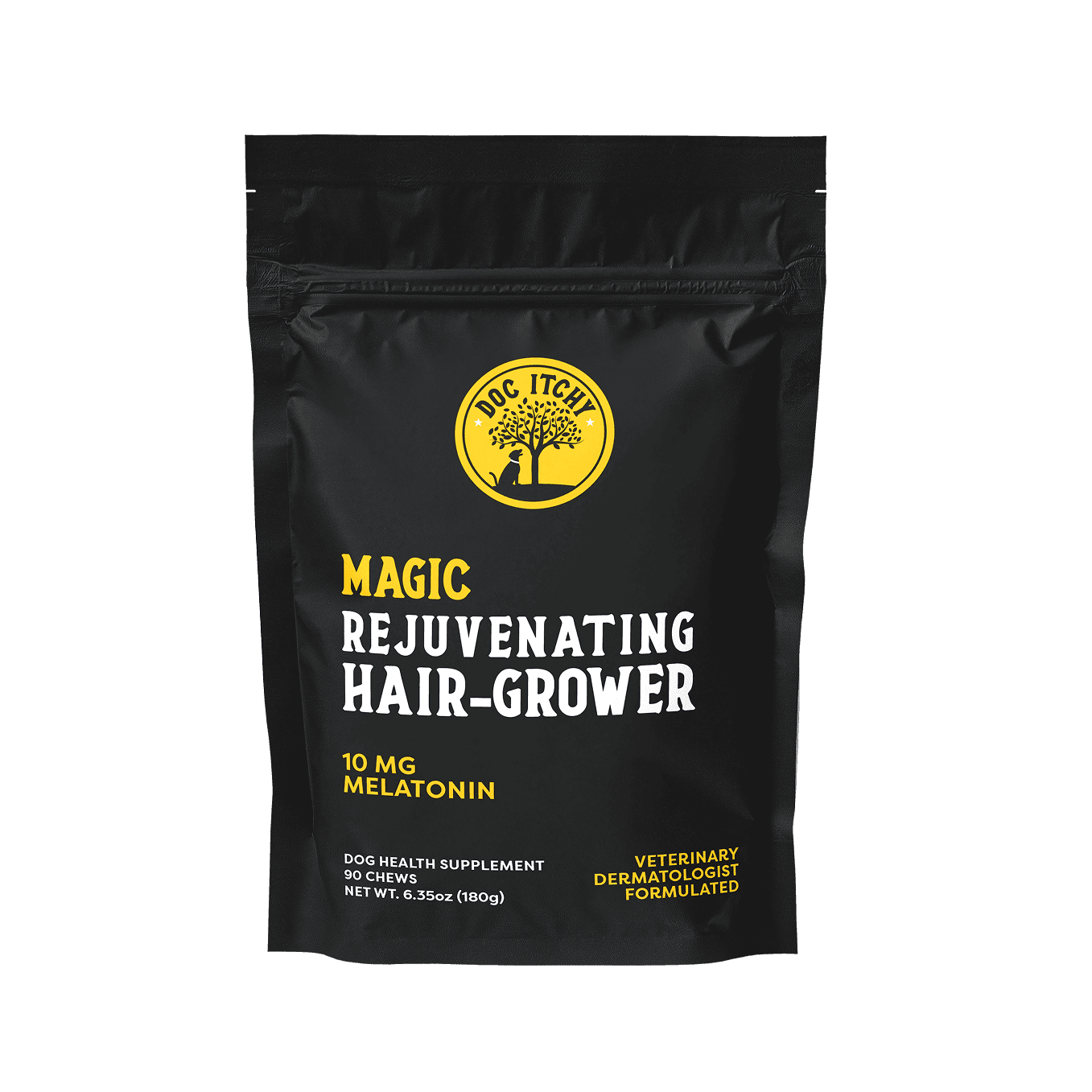
Melatonin is best known for regulating the sleep–wake cycle, but it also plays a broader role in circadian rhythm regulation and normal endocrine function. In veterinary medicine, melatonin has been used under veterinary supervision as part of the management of selected endocrine and dermatologic conditions, including some cases of atypical Cushing's syndrome and hormone-related hair loss.
Clinical reports and veterinary experience suggest that some dogs receiving melatonin may experience improvements in sleep quality, nighttime restlessness, coat condition, and overall comfort. Melatonin is also recognized for its antioxidant properties and continues to be studied for its potential role in supporting healthy aging and hormonal balance.
Supporting Senior Dogs
While melatonin is not a cure for atypical Cushing's syndrome, it may be an appropriate component of a veterinarian-directed treatment plan for selected dogs. Some owners report that, after treatment, their dogs appear more comfortable, sleep more soundly, and regain interest in daily activities. Every dog responds differently, and outcomes depend on the underlying medical condition.
Because dosage varies based on body weight, medical history, and the reason for treatment, melatonin should always be administered under veterinary guidance.
When Persistent Panting Should Be Evaluated
Panting is a normal way for dogs to regulate body temperature, but persistent panting at rest should never be dismissed automatically as normal aging. Pain, heart disease, respiratory disease, obesity, anxiety, medication side effects, and endocrine disorders are all potential causes. If your senior dog develops ongoing panting—particularly when accompanied by increased thirst, increased urination, hair loss, muscle wasting, or behavioral changes—schedule a veterinary examination promptly.
The Takeaway
Aging should not automatically explain persistent panting. In some senior dogs, endocrine disorders such as atypical Cushing's syndrome may be an underlying cause, and early evaluation may allow for appropriate treatment. With an accurate diagnosis and individualized veterinary care, many older dogs can continue to enjoy comfortable, active, and fulfilling lives throughout their senior years.