As dogs age, many pet parents accept constant panting as simply "part of getting older." However, persistent or excessive panting—especially when your dog is resting indoors, is not exercising, and is not overheated—can be an important medical clue. One condition veterinarians may consider in senior dogs is atypical Cushing's syndrome, an endocrine disorder that may not always present like classic Cushing's disease.
Unlike classic Cushing's disease, atypical Cushing's syndrome involves abnormalities in adrenal hormone production that extend beyond cortisol alone. Dogs may develop persistent panting, nighttime restlessness, increased thirst and urination, muscle loss, thinning hair, a pot-bellied appearance, or simply appear to "age" more rapidly than expected. Because routine screening tests may not always detect atypical cases, additional diagnostic testing is sometimes necessary.
The Role of Melatonin
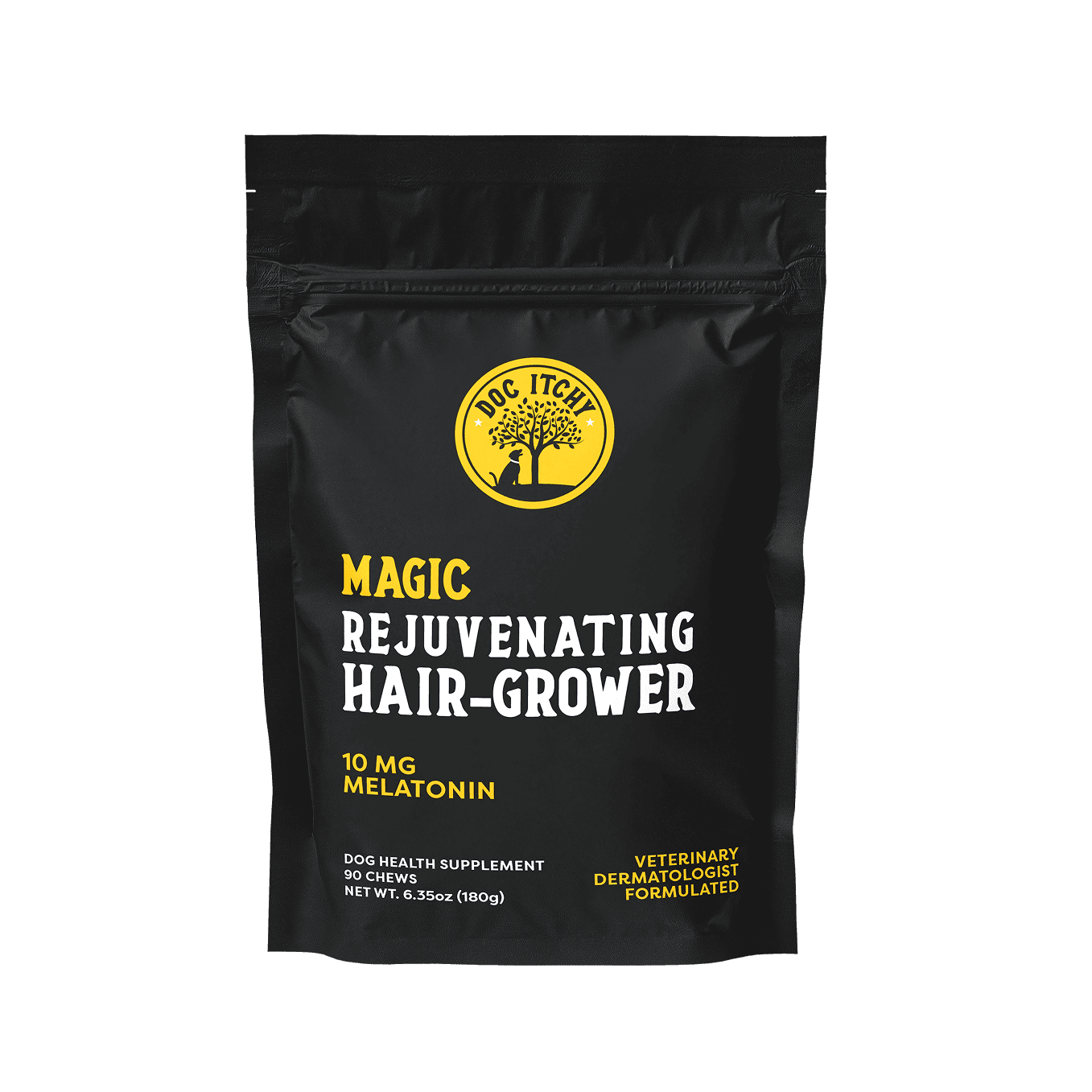
Melatonin is widely known for regulating the sleep–wake cycle, but it also has broader physiological functions. In veterinary medicine, melatonin has been used as part of the management of certain endocrine and dermatologic conditions, including selected cases of atypical Cushing's syndrome and some forms of hormone-related hair loss.
Clinical reports and veterinary experience suggest that some dogs receiving melatonin under veterinary supervision may experience improvements in coat quality, sleep patterns, restlessness, and overall comfort. Melatonin is also being studied for its antioxidant properties and its role in supporting normal hormonal regulation.
Supporting Healthy Aging
While melatonin is not a cure for atypical Cushing's syndrome, it may serve as one component of a comprehensive treatment plan when recommended by a veterinarian. Many dogs with endocrine disorders benefit from individualized care that may include diagnostic monitoring, nutritional support, medications, and lifestyle management tailored to their specific condition.
Because dosage depends on the dog's size, medical history, and diagnosis, melatonin should only be given under veterinary guidance.
When Persistent Panting Shouldn't Be Ignored
Panting is a common behavior in dogs, but persistent panting at rest should never be assumed to be a normal consequence of aging. Heart disease, lung disease, pain, obesity, anxiety, medication side effects, and endocrine disorders can all contribute to excessive panting. If your senior dog develops ongoing panting—particularly when accompanied by increased thirst, increased urination, hair loss, muscle wasting, or behavioral changes—schedule a veterinary examination.
The Takeaway
Aging alone should not automatically explain persistent panting. For some senior dogs, endocrine disorders such as atypical Cushing's syndrome may be an underlying cause, and appropriate evaluation can help identify treatment options. With an accurate diagnosis and individualized veterinary care, many older dogs can continue to enjoy comfortable, active, and fulfilling lives throughout their senior years.