I absolutely love my Golden Retriever. He's loyal, goofy, affectionate, and somehow convinced he's still a lap puppy at 75 pounds. But despite being one of the best dogs on the planet, there's one challenge many Golden Retriever owners know all too well: when his allergies flare up, so does the unmistakable yeasty odor.
Dogs with allergic skin disease—especially Golden Retrievers, Doodles, Spaniels, and Labrador Retrievers—often develop inflamed skin that becomes warm, oily, and irritated. This damaged skin barrier creates favorable conditions for Malassezia yeast, a microorganism that normally lives on healthy canine skin but can overgrow when the skin's natural defenses are compromised.
That familiar "corn chip," musty, sour, or yeasty smell isn't simply normal dog odor. In many cases, it reflects changes in the skin microbiome associated with allergic inflammation and secondary microbial overgrowth.
Why Allergic Dogs Become Smelly
Environmental allergens such as grass pollen, dust mites, molds, and, in some dogs, food allergies can weaken the skin barrier. As inflammation develops, the skin becomes warmer and produces more oils, creating an environment where yeast and bacteria can multiply more easily.
Areas that naturally trap warmth and moisture are particularly susceptible, including:
Ears
Paws and between the toes
Armpits
Groin
Neck folds
Lower abdomen
Persistent licking and scratching further damage the skin, allowing inflammation and microbial imbalance to continue.
A Skin Barrier-Focused Approach
Managing allergic skin disease involves much more than controlling odor. Supporting the skin barrier helps create an environment where the normal skin microbiome can thrive.
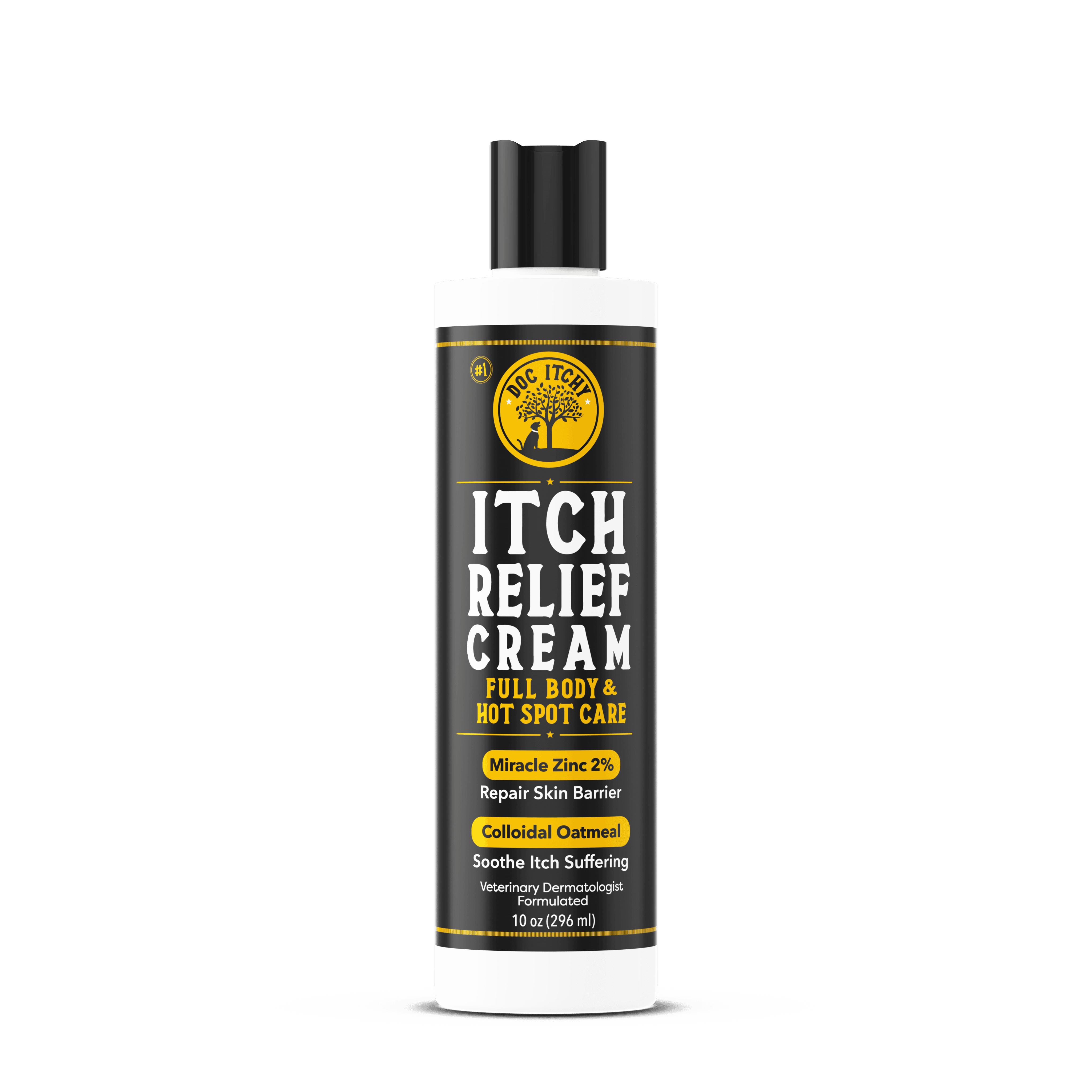
Regular bathing with veterinarian-recommended products can help remove allergens, excess oils, and debris from the coat. Oatmeal-containing conditioners are commonly used to soothe irritated skin and support hydration, while zinc-containing topical products are sometimes incorporated into dermatologic care because zinc plays an important role in healthy skin function.
How Topical Zinc May Support Skin Health
Zinc is an essential mineral involved in skin repair, epithelial turnover, and normal immune function. When included in appropriate topical formulations, zinc may help support:
Healthy skin barrier function
Normal inflammatory balance
Skin hydration and comfort
Balanced sebaceous (oil gland) activity
Normal skin cell turnover
Healthy hair follicles and coat quality
A healthier skin environment that supports microbial balance
While topical zinc may be a helpful part of a skin care routine, dogs with bacterial or yeast infections often require veterinary diagnosis and additional treatment.
A Complete Management Plan
Long-term control of allergic skin disease usually requires addressing the underlying cause. Depending on the individual dog, a comprehensive plan may include allergy management, nutritional support, marine omega-3 fatty acids, routine bathing, appropriate topical therapies, and treatment of secondary bacterial or yeast infections when present.
Supporting the skin barrier and maintaining a balanced skin microbiome can help reduce odor, improve comfort, and promote healthier skin over time.
The Takeaway
Allergic dogs don't smell bad because they're dirty—they smell bad because their skin is struggling. By focusing on skin barrier health, microbial balance, and appropriate allergy management, many dogs can experience healthier skin, greater comfort, and a fresher coat. And that's good news for everyone—especially those of us who never want to turn down a hug from our best four-legged friend.