
Related Products
Related Products
Allen Rippy
May 13, 2026
6 min read
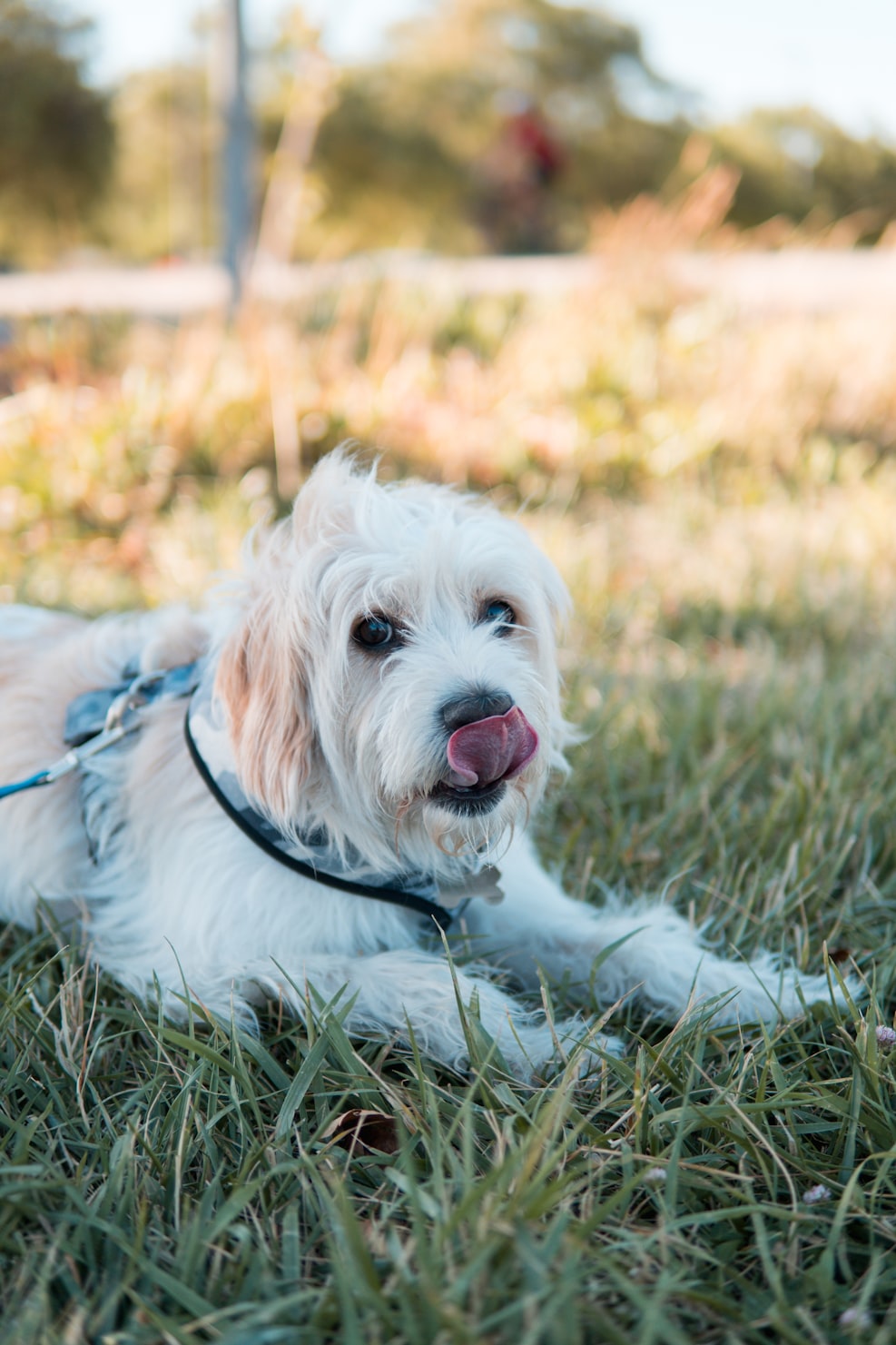
If your dog smells terrible only a few hours after a bath, the problem may not simply be “dirty fur.” In many dogs, chronic odor is actually a microbiome imbalance involving unhealthy overgrowth of yeast and bacteria living on the skin and in the ears.
The two biggest offenders are Staphylococcal bacteria and Malassezia yeast. These organisms naturally exist on normal canine skin in small amounts, but allergies, hormone imbalance, excessive skin oils, humidity, and inflammation can allow them to explode in numbers. The result is the classic greasy, sour, musty, corn-chip, or rotten odor many owners struggle with for months or even years.
Modern microbiome research now shows that restoring healthy skin ecology may be just as important as killing infection organisms.
Holistic skin-support therapies such as zinc supplementation, carefully selected topical mineral therapies, colloidal silver products, and targeted probiotic bacteria may help shift the microbiome back toward healthier balance. Zinc is especially important because it supports skin barrier repair, immune defense, gland regulation, and healthy epithelial turnover. Dogs deficient in skin-support nutrients often develop increased oiliness, scaling, odor, and recurrent infections.
Targeted probiotics are becoming one of the most exciting areas in veterinary skin health. Certain beneficial bacterial species can compete against odor-producing organisms, reduce inflammation, stabilize the skin barrier, and help crowd out harmful yeast and staphylococcal overgrowth. Instead of simply sterilizing the skin, microbiome therapy attempts to encourage healthier bacterial populations that naturally suppress the “stinky” organisms.
Colloidal silver and mineral-based topical therapies are also being explored because of their broad antimicrobial effects against yeast and bacteria. In some dogs, these approaches may help reduce microbial overgrowth without excessively damaging the normal protective skin ecosystem when used appropriately.
However, the deeper trigger often remains allergies or hormone imbalance. Environmental allergies, food allergies, thyroid disease, atypical Cushing’s syndrome, and geriatric hormone imbalance can all weaken the skin barrier and create chronic inflammation that feeds recurrent microbial overgrowth.
That is why successful odor control often requires a complete approach: restoring the microbiome, reducing inflammation, supporting skin immunity, controlling allergies, and treating hidden ear or skin infections. When the skin ecosystem becomes healthy again, many dogs not only smell dramatically better, but also itch less, develop fewer infections, and regain a healthier coat and skin barrier overall.