Related Products
Related Products
Allen Rippy
May 13, 2026
6 min read
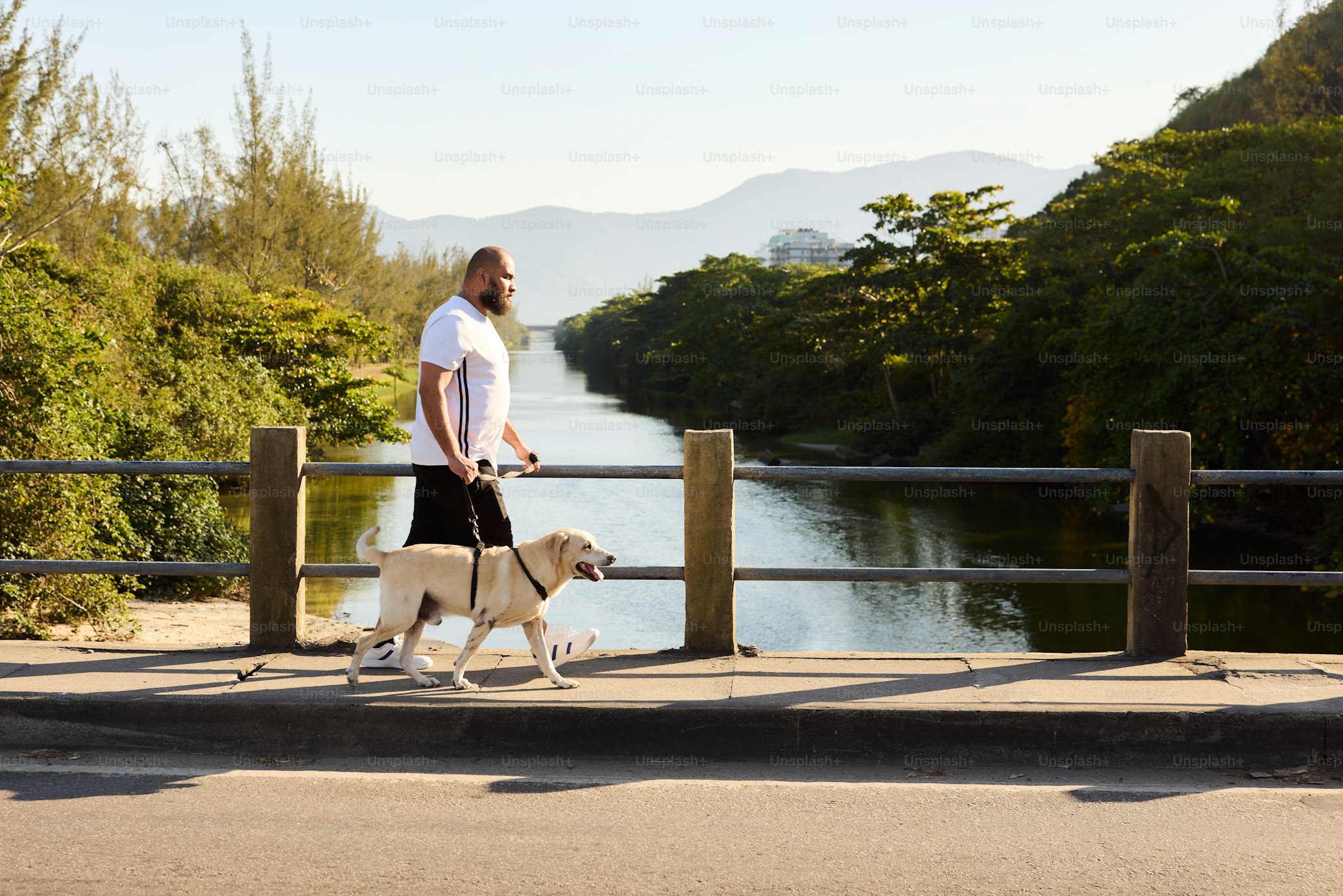
You open the door after a nice walk, your dog trots inside happy and energized… and suddenly the whole room smells like “wet corn chips,” yeast, dirty socks, or something mysteriously swampy. Why does this happen so fast?
The answer is surprisingly scientific.
A dog’s skin is covered by a living microscopic ecosystem called the skin microbiome. This microbiome contains billions of bacteria and yeast organisms that normally live in balance on healthy skin and inside the ears. The most common odor-producing organisms include yeast species like Malassezia and bacteria such as Staphylococcus. When conditions change, these microbes become much more active and release stronger odor compounds.
Walking outside increases body heat and skin temperature. Even moderate exercise causes warming of the skin surface, especially in furry breeds, doodles, spaniels, bulldogs, retrievers, and overweight dogs. Heat and humidity create the perfect environment for yeast and bacteria to multiply and release volatile odor molecules.
Many people believe dogs do not sweat. That is only partially true. Dogs do not sweat heavily like humans, but they absolutely produce small amounts of sweat through their paw pads and hair follicles. Increased moisture during exercise can amplify odor dispersal and “activate” microbial smells trapped in the coat. This is why some dogs suddenly smell much stronger after activity, especially in humid weather.
Allergies are another major trigger. Dogs with environmental allergies often develop microscopic skin inflammation that weakens the protective skin barrier. Once that barrier becomes damaged, yeast and bacteria overgrow more easily, producing the classic “Frito feet,” musty odor, greasy coat, or stinky ears many owners notice after walks or outdoor play.
Hormone imbalances can make the problem worse. Conditions involving thyroid disease, atypical Cushing’s syndrome, or geriatric hormone imbalance may increase skin oil production, weaken immunity, and alter the microbiome, allowing chronic odor-producing infections to develop.
If your dog consistently smells bad after walks, especially with itching, greasy skin, redness, ear debris, paw licking, or recurrent infections, it may not simply be “dog smell.” It may be a sign that the skin microbiome is unhealthy and needs medical attention, allergy control, probiotic support, or treatment for underlying infection or hormonal disease.