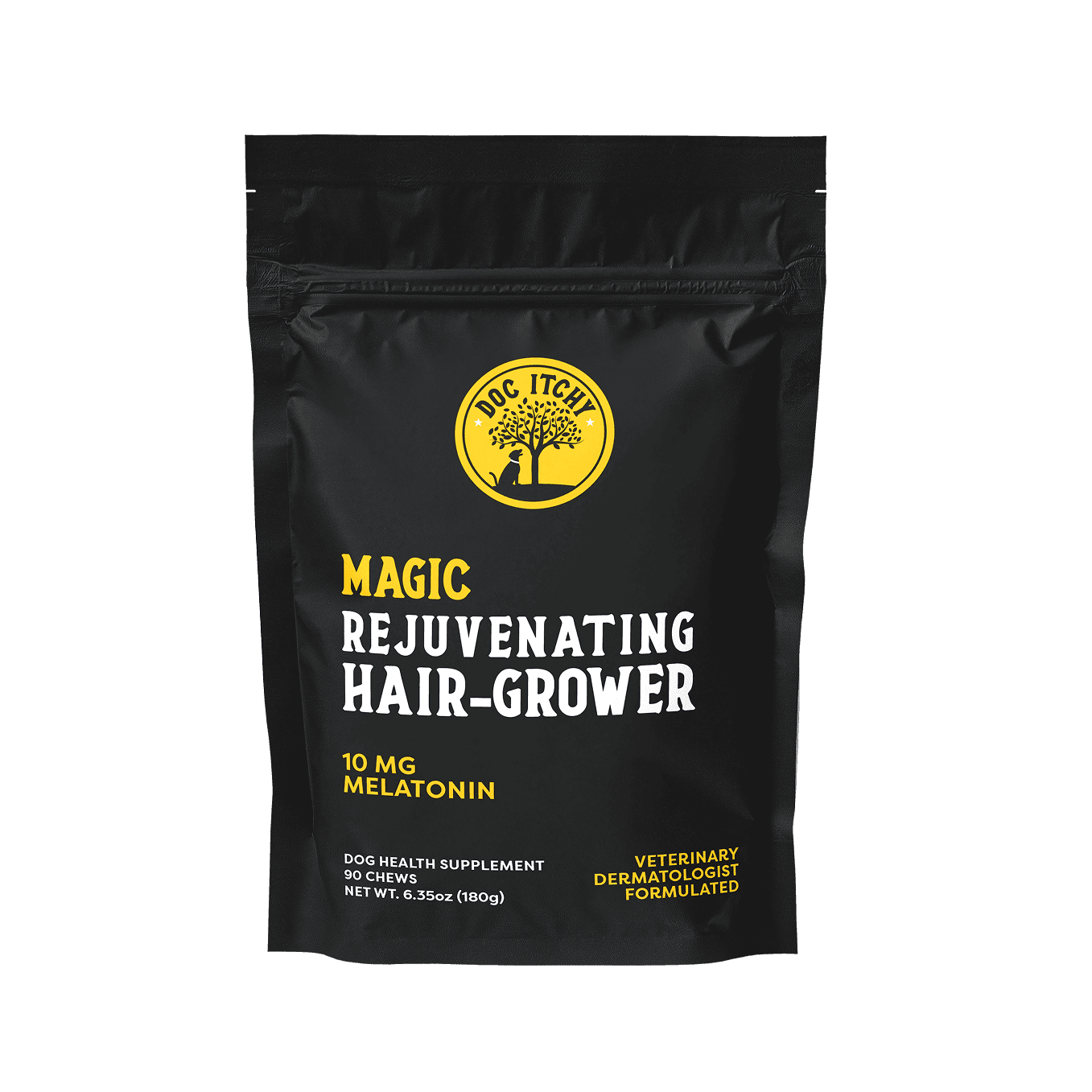
A growing body of clinical observation suggests that some aging small-breed dogs develop a pattern of clinical signs that does not fit neatly into traditional endocrine diagnoses. This proposed syndrome has been described as geriatric HIMS (Hormone Imbalance with Melatonin Sensitivity). Although not currently recognized as an established veterinary diagnosis, it has been proposed as a clinical framework for dogs that appear hormonally dysregulated despite inconclusive routine endocrine testing.
These dogs may develop signs commonly associated with endocrine disease, including a pot-bellied appearance, increased thirst and urination (polyuria/polydipsia), thinning hair coat, recurrent skin or ear infections, declining muscle tone, and reduced vitality. In many cases, standard testing does not clearly confirm classic hyperadrenocorticism (Cushing's disease), leaving veterinarians with an incomplete explanation for the dog's condition.
A Proposed Clinical Syndrome
The geriatric HIMS concept suggests that some senior dogs may experience broader hormonal and circadian dysregulation that extends beyond cortisol alone. Melatonin, a hormone primarily known for regulating the sleep–wake cycle, also participates in antioxidant defense, immune regulation, and neuroendocrine signaling. Because melatonin interacts with multiple hormonal pathways, researchers have proposed that altered melatonin signaling could contribute to some age-related clinical changes in susceptible dogs.
At present, this remains a hypothesis requiring additional scientific validation through prospective clinical research.
The Potential Role of Melatonin
Melatonin has been used in veterinary medicine for decades in selected conditions, including certain hair growth disorders, anxiety-related conditions, and some cases of suspected atypical hyperadrenocorticism. Published veterinary studies suggest that melatonin can influence circadian rhythms, oxidative stress, immune function, and aspects of adrenal and sex hormone regulation.
Some veterinarians have reported clinical improvement in older dogs with Cushing's-like signs following melatonin supplementation, including healthier coat quality, calmer behavior, improved sleep patterns, and fewer recurrent skin problems. However, most of this evidence comes from clinical experience, retrospective observations, and limited studies rather than large randomized clinical trials.
Current Evidence
While retrospective case observations have suggested encouraging responses in some dogs treated with melatonin, these findings should be interpreted cautiously. Controlled prospective studies are still needed to determine how many dogs truly fit this proposed syndrome, identify appropriate diagnostic criteria, and establish treatment protocols.
Melatonin remains one of the more widely used supplements in veterinary medicine and generally has a broad safety margin when administered under veterinary guidance. Reported adverse effects are typically mild and may include temporary drowsiness, lethargy, or gastrointestinal upset.
The Takeaway
Geriatric HIMS should currently be viewed as a proposed clinical model rather than a confirmed disease entity. It offers veterinarians a practical way to think about aging small-breed dogs that appear hormonally imbalanced despite inconclusive endocrine testing and highlights an area deserving further scientific investigation.
For dogs showing signs such as increased thirst, excessive panting, recurrent infections, hair loss, or unexplained decline in vitality, a complete veterinary evaluation remains essential. As research continues, a better understanding of melatonin's role in aging and endocrine regulation may help refine diagnosis and treatment strategies for this challenging population of senior dogs.