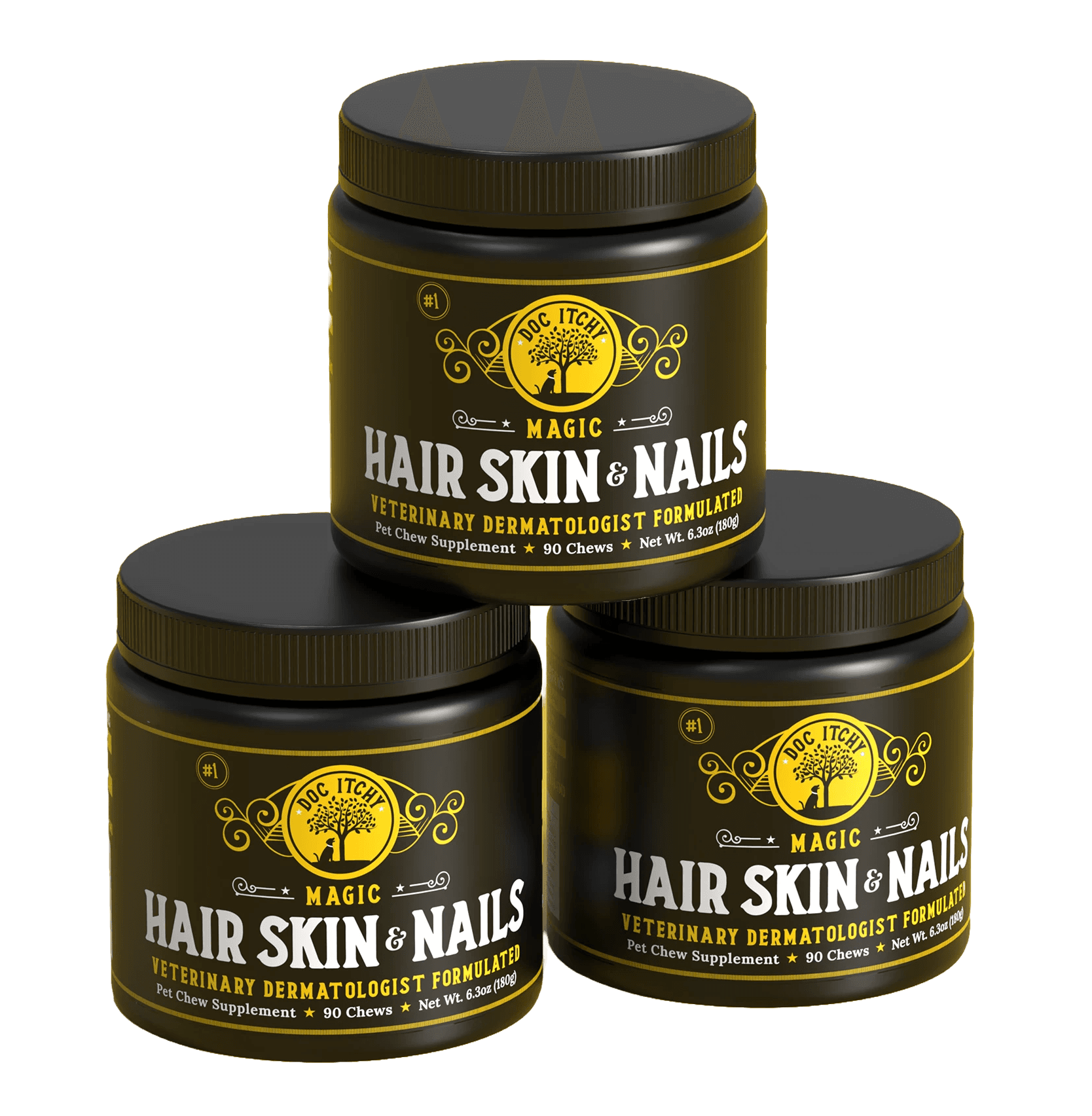
In veterinary dermatology, few nutrients play as important a role in skin biology as vitamin A. When used appropriately under veterinary supervision, vitamin A helps regulate epithelial cell turnover, supports normal sebaceous gland function, and maintains the integrity of the skin barrier. These functions make it an important therapeutic tool for selected skin disorders in dogs.
Supporting Healthy Skin Renewal
Healthy skin is constantly renewing itself. New skin cells are produced in the deeper layers of the epidermis, mature as they move toward the surface, and are eventually shed. Vitamin A helps regulate this process, known as keratinization, ensuring that skin cells mature and shed in an organized manner.
When keratinization becomes abnormal, dogs may develop excessive scaling, dandruff, greasy skin, follicular plugging, or abnormal wax production. Certain breeds, including Cocker Spaniels, are predisposed to inherited keratinization disorders in which vitamin A has been used as part of veterinary treatment protocols.
Sebaceous Glands and Coat Health
Sebaceous glands produce oils that lubricate the skin and coat while helping maintain the skin's natural protective barrier. Vitamin A supports normal gland function, helping maintain balanced oil production and healthy hair follicles.
In dogs with selected dermatologic conditions involving sebaceous gland dysfunction or abnormal keratinization, appropriate vitamin A supplementation may help improve coat quality, reduce excessive scaling, and support healthier skin architecture.
Supporting the Skin Microbiome
The skin is home to a diverse community of beneficial microorganisms that help protect against opportunistic bacteria and yeast. Maintaining a healthy skin barrier supports this natural microbial ecosystem.
By promoting normal epidermal turnover and healthier skin structure, vitamin A may indirectly help create an environment that favors a balanced skin microbiome. Healthy skin architecture also helps maintain normal ear canal health by supporting healthy epithelial tissues and normal wax production.
Clinical Applications in Veterinary Dermatology
Veterinary dermatologists have used vitamin A as part of treatment plans for selected disorders involving abnormal keratinization, including certain forms of primary seborrhea, vitamin A-responsive dermatosis, and other disorders affecting epithelial maturation. Some clinicians also incorporate vitamin A into broader treatment strategies for dogs with chronic skin disease when appropriate for the individual patient.
Because many skin conditions have multiple contributing causes—including allergies, endocrine disorders, parasites, infections, and immune-mediated disease—a complete veterinary evaluation remains essential before beginning supplementation.
Safe Use Is Essential
Vitamin A is a fat-soluble vitamin, meaning it is stored in the body rather than readily excreted. While appropriate therapeutic dosing can provide important dermatologic benefits, excessive supplementation may lead to toxicity, including skeletal abnormalities, liver disease, and other serious health problems.
For this reason, vitamin A supplementation at therapeutic doses should always be undertaken under veterinary guidance, particularly when used for chronic skin disorders.
The Takeaway
Vitamin A is far more than a basic nutritional vitamin. It is a key regulator of skin cell turnover, sebaceous gland function, and epithelial health. When appropriately prescribed and monitored by a veterinarian, it can play an important role in supporting healthy skin, coat quality, and barrier function in dogs with selected dermatologic conditions. Used as part of a comprehensive treatment plan, vitamin A helps support healthier skin from the inside out.